
Science explainer
Water-Harvesting Jacket Explained: How Fabric Pulls Water From Air
The simple version: UT Austin engineers showed a fabric flow that collects moisture from air, moves it, then releases and condenses it into water.
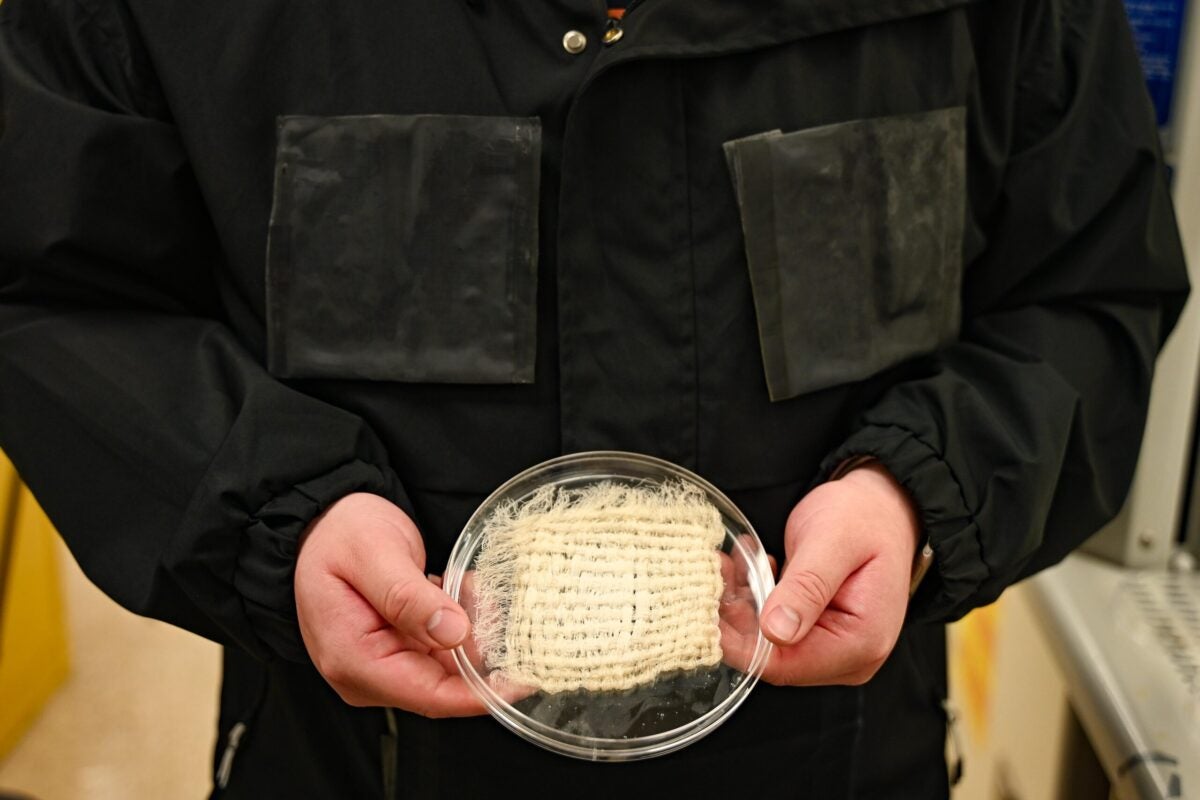
A water-harvesting jacket sounds like a science-fiction prop, but the useful idea is smaller and more interesting. Engineers at The University of Texas at Austin described a jacket prototype that uses a special textile to collect moisture from the air and funnel it into detachable harvesting units.
BTI is treating this as a current science explainer, not a shopping guide. We did not test the jacket, verify a retail product, check live availability, rank it against outdoor gear, or claim it can replace emergency water planning. The point is to translate the research into a beginner-friendly map that normal readers can understand before the headline turns into hype.
The headline number is easy to remember, but it needs context. UT Austin says the prototype jacket produced between 400 and 900 milliliters of drinkable water per day, depending on humidity levels. That is a source-backed prototype result, not a guarantee for every climate, every jacket, or every future user.
- The interesting part is the fabric flow, not a magic sleeve that instantly pours water.
- The textile collects moisture, moves it to harvesters, then the system uses heat and condensation to produce water.
- Humidity, heat, design, scale, durability, and safety all matter before this becomes normal outdoor gear.
BTI on InstagramNew tech, decoded in plain EnglishFollow @besttechinsight for quick breakdowns of products, chips, robots, EVs, and science. Full reviews and guides stay here on BTI.
Water-harvesting jacket quick answer
A water-harvesting jacket is a wearable research prototype that uses a moisture-collecting textile instead of a large stationary water-from-air device. In the UT Austin work, the textile collects water vapor from air, sends that moisture into detachable units, and those units are heated so the water can be condensed and collected.
The important translation is this: the jacket is not just a sponge. A sponge can absorb water and stay wet. A useful water-harvesting textile needs a route for moisture to move through the material so it can leave the jacket and become collected water. That movement is why the fiber design matters.
| Part | Plain-English role | Normal-reader check |
|---|---|---|
| Moist air | The source is water vapor already present in the air. | Humidity matters. The same jacket idea should not be read as a guaranteed water source in every place or season. |
| Collecting textile | The fabric collects moisture instead of relying on a large stationary box. | That is why the story is interesting: the water-harvesting material is built into something wearable. |
| Moisture flow | The fibers move moisture toward detachable harvesting units. | The key is not just absorbing water. The fabric has to move it where it can be collected. |
| Heat release | The captured moisture still has to be heated out of the material. | This is the part that keeps the story honest. It is not instant water appearing in a sleeve. |
| Condensed water | The released vapor is condensed and collected as drinkable water. | UT Austin says the prototype jacket produced 400 to 900 milliliters per day depending on humidity. |
Why fabric changes the story
Most people picture water-from-air technology as a machine: a box, panel, condenser, sorbent bed, or powered device sitting in one place. That can be useful, but it is not the same as a textile. A textile version raises a different question: could the gear someone already carries become part of the water collection system?
That is why the jacket is a strong social explainer. It has a strange first frame, but the science is practical. Outdoor workers, hikers, emergency responders, soldiers, campers, and disaster-relief teams all understand the value of portable water access. The honest hook is not “this replaces your water bottle.” The honest hook is “what if fabric could help collect water from air?”
The same research direction could matter beyond jackets. UT Austin says the team is looking at backpacks, tents, emergency shelters, and other outdoor gear. Those examples make the idea easier to picture without pretending a finished consumer category already exists.
The 5-step version normal people can remember
Step one is moist air. Even dry places can have some water vapor, but humidity changes the result. Step two is the collecting textile. The material has to capture moisture at the fiber level. Step three is transport. The water has to move through the fabric toward a harvest point instead of staying trapped.
Step four is heat release. The captured moisture is not automatically a glass of water. The detachable harvesting units go into a collector and are heated to release the water. Step five is condensation and collection. The released vapor turns into liquid water that can be collected.
This is the whole Instagram carousel in one sentence: the jacket does not make water from nothing; it collects water vapor that is already in the air, moves it through fabric, then uses heat and condensation to collect it.
What this does not prove yet
This research does not prove a retail jacket is available, affordable, durable, easy to clean, comfortable in heat, safe under every field condition, or enough for all daily hydration. It also does not prove that a future product will work equally in all climates. Humidity is part of the result.
That caveat makes the story stronger, not weaker. The best BTI version should be interesting without overselling it: a wearable textile collected moisture from air in a prototype, the fabric flow is the real innovation, and the next question is whether the system can become practical outdoor or emergency gear.
The post should avoid survival fantasy. A normal reader should leave knowing the difference between a lab-backed prototype and a product they can rely on. That distinction builds trust and makes the science easier to share.
Water-harvesting jacket FAQ
Does the jacket create water from nothing?
No. It collects moisture that is already in the air. The useful science is the fabric flow that captures, moves, releases, and condenses that moisture.
How much water did the prototype produce?
UT Austin says the jacket produced between 400 and 900 milliliters of drinkable water per day, depending on humidity levels. Treat that as a prototype result, not a universal guarantee.
Can people buy this jacket now?
This guide does not claim retail availability. BTI is covering the public research as an explainer, not as a product review or shopping recommendation.
Why does the fabric matter?
The fabric does more than absorb moisture. It gives water a route to move toward harvesting units, which is the step that makes the wearable form more interesting.
Sources for this water-harvesting jacket guide
This guide uses public UT Austin and technology-press source material. It does not include fabricated testing, pricing, ratings, availability, reviews, awards, endorsements, or product claims.
- UT Austin News source story: UT Austin describes the jacket, the textile moisture flow, the detachable harvesting units, the 400 to 900 milliliter daily prototype range, and the humidity caveat.
- Engadget science coverage: Engadget covered the same research for a general tech audience and framed it as a water-from-air textile story.
- Interesting Engineering coverage: Interesting Engineering covered the same UT Austin jacket as a practical innovation story for a broad technology audience.
- TechXplore research coverage: TechXplore summarizes the transport design and the difference between absorbing moisture and moving it through a usable textile system.
BTI final take
The clean way to understand the water-harvesting jacket is the five-step map: moist air, collecting textile, moisture flow, heat release, condensed water. That is more useful than treating it like a magic survival jacket and more memorable than the technical material language alone.
Save the simple version: the jacket collects water vapor already in the air, moves it through engineered fabric, and uses heat plus condensation to collect water. The breakthrough is the wearable flow, not a promise that anyone can stop carrying water tomorrow.