
Space technology explained
NASA CAPSTONE Explained: How a Tiny Spacecraft Navigated the Moon
A microwave-sized spacecraft became a testbed for lunar navigation and a network that can survive lost connections.
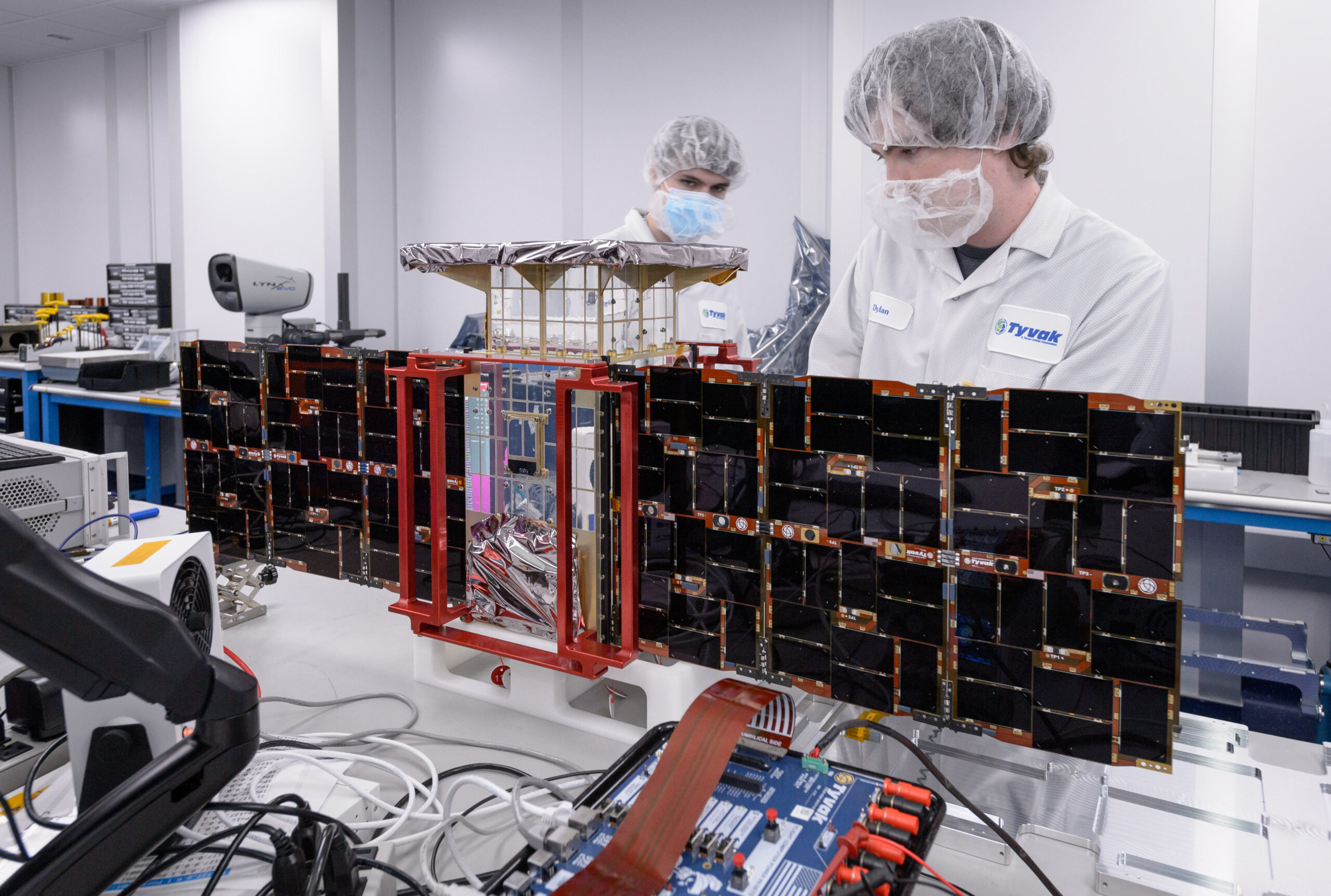
NASA CAPSTONE is short for Cislunar Autonomous Positioning System Technology Operations and Navigation Experiment. That full name sounds complicated. The useful story is simple. NASA used a spacecraft about the size of a microwave oven. It tested how future missions could find their way and move data near the Moon. Those systems cannot depend on a constant link to Earth.
NASA published the extended-mission results on July 6, 2026. The agency says CAPSTONE met its main and extended goals. The work took place over nearly four years. NASA’s activities on the spacecraft ended in June 2026. Owner and operator Advanced Space can keep using it as a technology testbed.
This was not a consumer GPS test. CAPSTONE did not create a finished lunar internet. It tested four pieces that future Moon systems may need. They include camera-based navigation, data delivery through connection gaps, an efficient lunar orbit, and new software added after launch.
BTI has not tested the spacecraft. We have not checked its performance on our own or seen private engineering data. This guide translates NASA’s public results. Claims from NASA and its partners stay clearly labeled.
NASA CAPSTONE mission quick answer
The Moon is too far away for the rules behind a phone map or home internet. On Earth, a device can often reach GPS satellites, cell towers, Wi-Fi, and cloud services. Links near the Moon are harder. Distances are large. Antenna time is limited. Terrain and spacecraft motion can break a connection.
NASA tested two simple answers. First, cameras and onboard software can help the spacecraft find its position. It does not have to wait for every update from Earth. Second, the network can hold data when a link disappears. It can forward that data when the link returns.
Neither idea makes the Moon easy. Together, they limit the harm from delays and lost links. The main lesson is simple. Future Moon systems need to keep working through gaps. A dropped link should not stop the whole mission.
Four CAPSTONE technologies in plain English
This table separates the experiment name from the practical job it performed.
| Technology | What it means | Why future missions care |
|---|---|---|
| Optical navigation | An onboard camera looked at the Moon, Earth, and stars. Software used those views to estimate position. | A spacecraft can keep finding its way. It does not need to wait for every update from Earth. |
| Delay-tolerant networking | The spacecraft stored data when a link failed. It sent the rest after contact returned. | Moon crews, robots, and satellites can keep data through known connection gaps. |
| Near-rectilinear halo orbit | CAPSTONE flew a long loop near the Moon. Earth and Moon gravity help shape the path. | NASA could compare real flight data with its plans. Future teams get a better guide for power and fuel. |
| Software-defined testbed | NASA added new software to hardware already near the Moon. It then tested the new jobs. | One small spacecraft can test several ideas. A new launch is not needed for every test. |
How CAPSTONE navigated by looking
During the extended mission, NASA tested software called autoNGC. The letters stand for autonomous Navigation, Guidance, and Control. NASA designed it to answer three questions. Where is the spacecraft? Where is it going? How can it get there without waiting for Earth?
The key tool was not the same GPS receiver used in a car. CAPSTONE used an onboard star tracker camera. It took images of the Moon, Earth, and other objects in space. Software used those views to estimate the spacecraft’s position. NASA says this method sometimes beat ground-based methods for live onboard navigation.
Cameras do not replace every ground antenna or navigation tool. They give the spacecraft another source of evidence. Backup ways to find a position matter when contact with Earth drops to a few passes each week.
Think of a sailor using landmarks and stars when the radio is down. The spacecraft is not guessing. It measures objects it knows. It compares those views with a model. Then it updates its best estimate.
How a lunar network survives a dropped connection
Normal internet software often expects a full path to stay open. Deep-space links can vanish for long periods. NASA uses delay or disruption tolerant networking for that problem. The short name is DTN. It stores data until a useful link becomes available.
NASA described one CAPSTONE test. A transfer to Earth stopped before all the data arrived. The spacecraft kept the unfinished data. It sent the rest during the next contact. NASA says every piece of demo data reached Earth.
Think of a message waiting in an outbox. A live call fails when the line drops. A store-and-forward system keeps the message and tries again later. Moon users may still face delays. Their data does not have to vanish when a hill, crater, antenna schedule, or moving spacecraft breaks the path.
NASA gives a human example. An astronaut could walk behind a lunar hill or enter a crater. The link may go down for a while. A delay-tolerant system could save the data and send it after contact returns.
Why CAPSTONE’s unusual orbit matters
CAPSTONE was the first spacecraft to use a near-rectilinear halo orbit around the Moon. Earth and Moon gravity help shape this long loop. It is not a simple circle close to the lunar surface.
The mission measured how this orbit works in real life. NASA could compare actual power and propulsion needs with its models. That gives future spacecraft teams less uncertainty.
The orbit does not need zero fuel. It is not stable forever on its own. The careful claim is narrower. This three-body path can reduce the work needed to stay in orbit. It also gives planners real flight data.
What CAPSTONE did not prove
CAPSTONE did not build a complete public lunar internet. It did not promise a constant link for astronauts. NASA still needs its Deep Space Network and ground teams. CAPSTONE tested important parts under real Moon conditions.
Autonomous software is not safe by default. Navigation needs sensors, models, checks, and recovery plans. Store-and-forward networks need storage, route rules, security, and systems that work together.
Those limits make the result more useful, not less. A good tech demo shows which parts worked. It shows how they worked together. It also shows what still needs a larger system.
Why this tiny spacecraft is a useful technology lesson
CAPSTONE became a software-based test platform after its original work. NASA says teams added new apps to hardware already near the Moon. They did not need a new spacecraft for each idea. The same basic idea works on phones and computers. Stable hardware can learn new jobs through software.
The result links three ideas. Navigation means knowing where you are. Delay-tolerant networking means keeping data through a gap. A software-based spacecraft can gain new tools after launch. CAPSTONE brought all three ideas together near the Moon.
A future Moon neighborhood may include orbiters, landers, crews, rovers, instruments, and relay satellites. None can assume Earth will answer at once. Local navigation and networks need to help those machines work together.
NASA CAPSTONE FAQ
How large was the CAPSTONE spacecraft?
NASA describes CAPSTONE as a microwave oven-sized 12U CubeSat. It weighs about 55 pounds. That small size makes the number of tested ideas stand out.
Did CAPSTONE use GPS around the Moon?
The July 2026 result focused on optical navigation. NASA says an onboard camera viewed the Moon, Earth, and other objects. autoNGC software used those images to estimate CAPSTONE’s location when Earth contact was limited.
What is delay-tolerant networking?
It is a store-and-forward method for networks with long delays or broken links. Data waits on one system. It moves again after a useful connection returns.
What was special about CAPSTONE’s lunar orbit?
CAPSTONE was the first spacecraft to use a near-rectilinear halo orbit around the Moon. The long loop is shaped by Earth and Moon gravity. It gave NASA real data for future Moon planning.
Why does this matter to future astronauts?
Moon hills, distance, or antenna schedules can break a direct link. Local navigation can keep a mission moving. Delay-tolerant networking can save data until contact returns.
Official NASA sources
- NASA CAPSTONE extended-mission results: NASA’s July 6, 2026 summary of the autonomous navigation, networking, and software-defined experiments.
- NASA CAPSTONE mission page: NASA’s mission overview, spacecraft size, orbit, launch history, and primary technology objectives.
- NASA delay/disruption tolerant networking overview: NASA’s explanation of why deep-space communications need store-and-forward networking protocols.
BTI final take
CAPSTONE’s memorable fact is its size. Its important result is resilience. NASA used a microwave-sized spacecraft to test three useful skills. Machines near the Moon can find their position. They can hold data through a lost link. They can gain new software jobs after launch.
Save the simple version. Look to navigate. Store data through a disconnect. Forward it when the link returns. That is the start of a Moon network people can understand before learning the acronyms.
Follow BTI for the next plain-English tech breakdown
BTI turns current tech stories into simple buyer and science explainers without claiming hands-on testing, prices, ratings, or availability.