
2026 Tesla Model Y Juniper Review: Worth It?
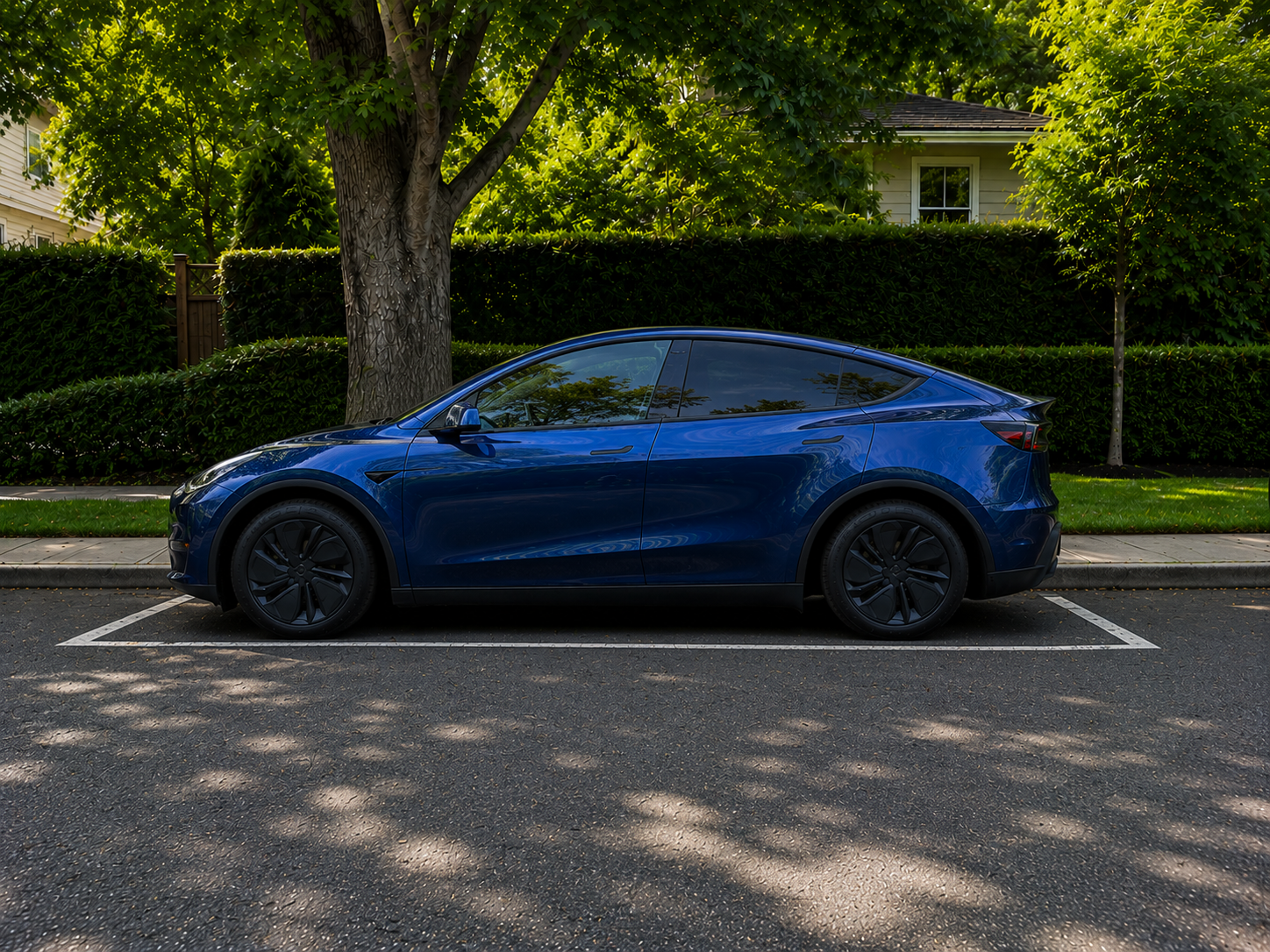
After nine months with our Premium AWD and almost 10,000 miles, the answer is yes. The 2026 Model Y Juniper is not perfect, but it is the easiest car we have owned to keep choosing every day.
This 2026 Tesla Model Y Juniper review comes from real daily ownership, not a quick test drive. We have had our Premium AWD for nine months, driven almost 10,000 miles, and used it for errands, family drives, road trips, winter weather, charging stops, parking lots, and constant Full Self-Driving supervision.
The short version is simple: we would buy the 2026 Model Y Juniper again. It feels comfortable, quiet, practical, quick, and more advanced than a normal crossover without becoming difficult to live with. The car gets a lot right because the hardware, software, charging network, phone app, and driver-assist features all work together.
It still has rough edges. Full Self-Driving is too slow at stop signs, parallel parking can be awkward in tight spots, and charging takes a real setup plan. But those drawbacks do not change the bigger ownership story. Once the routine is dialed in, the 2026 Model Y Juniper feels less like an EV compromise and more like a better daily-driver system.
BTI on InstagramNew tech, decoded in plain EnglishFollow @besttechinsight for quick breakdowns of products, chips, robots, EVs, and science. Full reviews and guides stay here on BTI.
Follow @besttechinsight2026 Tesla Model Y Juniper review: the short version
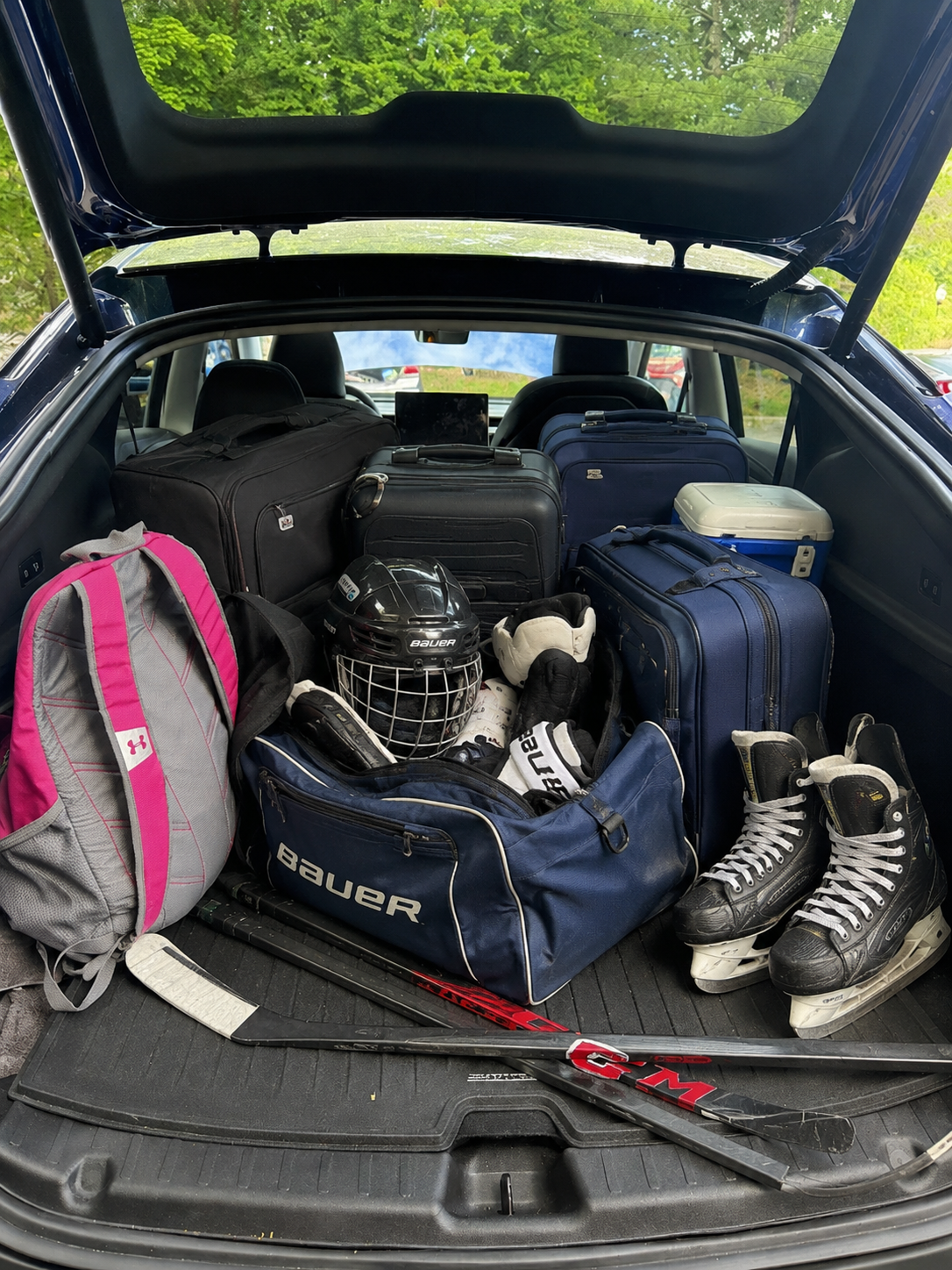
The easiest way to explain the 2026 Model Y Juniper is this: it feels like a normal practical SUV and a rolling software product at the same time. That mix is the point. The cargo space, seating position, AWD confidence, and quiet cabin make it easy to use. The software, app controls, FSD, cameras, navigation, and charging integration make it feel different from nearly everything else in the driveway.
A lot of car technology is exciting for the first week and then fades into the background. The strongest parts of this car do the opposite. Cabin preconditioning, Supercharger routing, camera visibility, driver profiles, and FSD become more valuable as they become routine. They do not feel like isolated features. They feel like part of how the car works.
The 2026 Model Y Juniper is strongest for buyers who want a tech-forward EV that removes daily friction. It is not the right car for someone who wants a traditional button-heavy cabin or a completely hands-off driving system. It is also not ideal if charging access is unreliable. But if the charging setup works for your life, this is one of the easiest EVs to recommend.
Why the 2026 Model Y Juniper feels so strong in daily use
The comfort is better than expected
The biggest surprise is not acceleration or the screen. It is how easy the car is to sit in and drive repeatedly. The seats have been comfortable, the cabin feels calm, and the ride is more composed than the older Model Y reputation would suggest. That matters because an EV can look impressive in a short demo and still become tiring once it is the car you use every day.
The Premium AWD version gives the car the right feel for us. It is quick enough to feel premium, stable enough in bad weather, and quiet enough that normal drives feel relaxed. The car does not ask for much from the driver. You get in, the profile loads, the cabin is ready, and the trip starts with very little friction.
FSD is the feature that changes the car most
Full Self-Driving is the most important software feature in the car. We use it about 97% of the time, and that changes how errands, commutes, and longer drives feel. It still requires supervision, but it removes enough mental load that taking it away would make the car feel less special.
The best moments are not flashy demos. They are normal stretches of driving where the car handles traffic flow, lane changes, and route decisions cleanly enough that the drive feels calmer. That is the difference between a novelty and a feature that becomes part of ownership.
Tesla’s own Full Self-Driving support page makes the important point: FSD is supervised and does not make the vehicle autonomous. That matches how we treat it. The driver still owns the drive, but the software reduces enough work to feel genuinely valuable.
Charging gets easier once the routine is tuned
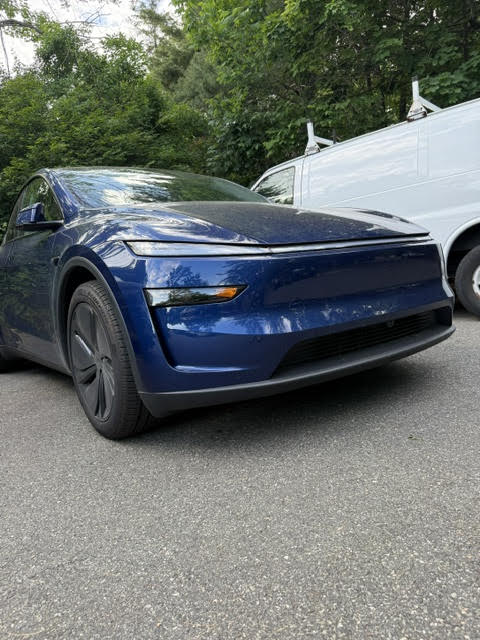
Charging is the biggest adjustment for new EV buyers. Your outlet, adapter setup, home charging plan, and normal driving routine matter more than people expect. We do not plug in every night. We mostly charge when the battery gets low, and that pattern works after some fine-tuning.
Home charging is the unlock. With a reliable home setup, the car becomes much easier to live with because charging moves into the background. Without one, ownership would be harder to recommend. Supercharging has been better than expected on road trips, but public charging still requires more planning than gas.
One simple setting change helped too: turning off Sentry Mode when it was not needed. That saved a noticeable amount of charge while parked and made the range estimate feel easier to trust. EV ownership rewards small habits, and the Model Y becomes better once those habits are automatic.
Practicality is the quiet win
The Model Y shape is one of Tesla’s best decisions. It has enough cargo space for groceries, bags, sports gear, road-trip luggage, and normal family use without feeling oversized in town. It feels like a practical crossover first, which is why the software side lands so well.
That practicality also makes simple accessories matter. Floor mats, trunk and seatback protection, a screen protector, and charging adapters are not glamorous, but they make the car easier to keep clean and easier to use. We covered those separately in our best Tesla Model Y Juniper accessories guide, and the bigger point is the same: this car works best when it is set up for real life.
Bad weather confidence has been excellent
Winter and bad-weather driving have been strong. Cold weather can reduce range, but the driving confidence itself has been easy to appreciate. AWD traction, cabin preconditioning, and predictable handling make poor weather feel much less stressful than expected.
Preconditioning is one of those features that sounds small until it becomes normal. Getting into a cabin that is already warm or cool changes the daily experience, especially in winter. It is not the kind of feature that sells a car by itself, but it is exactly the kind of feature that makes the car feel easier to live with.
Where the 2026 Model Y Juniper still feels limited
FSD is too slow at stop signs
The biggest FSD weakness is stop-sign behavior. The car can be too slow or overly cautious in situations where a human driver would move more naturally. That does not ruin FSD for us, but it stands out because the rest of the system is useful enough that the awkward moments become easier to notice.
This is where expectations matter. FSD can be valuable without being perfect. But it still needs supervision, and the stop-sign behavior is a clear reminder that this is advanced driver assistance, not an autonomous chauffeur.
Parallel parking can be awkward
Parallel parking and tight parking situations are another weak point. The car can help, but in tighter spots it sometimes struggles more than a human would. There are moments where it moves only about an inch even though it clearly has closer to a foot of room.
Caution is better than careless movement, but the behavior can feel slow and tense when other drivers are waiting. The cameras help a lot, and the visibility tools are useful, but low-speed judgment is still one area where human confidence often feels better.
The screen-first cabin has tradeoffs
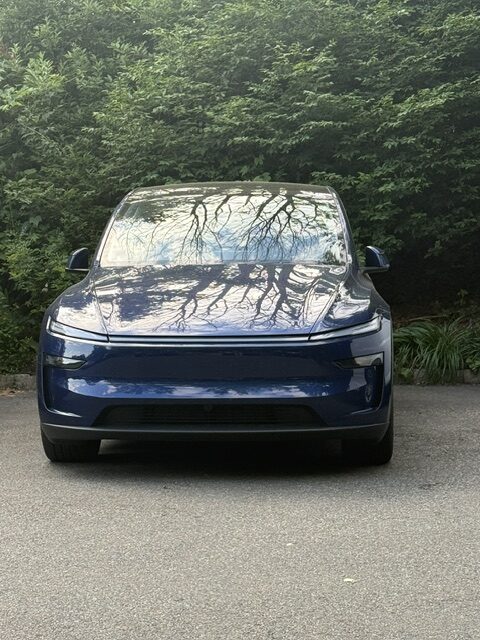
The minimalist interior looks clean, and the interface becomes familiar quickly. Still, some controls would be better as physical buttons. Not every adjustment needs to live on the center display, especially when a quick physical control would be faster.
This is not a deal-breaker for us because the software is fast and the layout becomes second nature. But buyers coming from traditional luxury SUVs should expect a learning curve. The Model Y Juniper is a software-led car first and a conventional premium cabin second.
Charging access can make or break the experience
We think the charging tradeoff is worth it, but that assumes reliable charging access. If you cannot charge at home, work, or a convenient nearby charger, the ownership math changes. Public charging and Supercharging are strong, but they are not the same as waking up with the range you need.
This is the main reason we would not recommend the car blindly to everyone. The 2026 Model Y Juniper is excellent when the charging routine fits your life. If it does not, the same car can feel more complicated than it should.
Daily ownership details that matter most
The reason this review is positive is not one perfect drive. It is the pattern after nine months. The car has handled errands, family use, road trips, bad weather, charging planning, parking lots, and almost 10,000 miles without becoming annoying. That is the real test.
The app is useful without becoming the whole story
The Tesla app is good, especially for preconditioning and checking charge level. It is not something we think about constantly, which is a compliment. The best connected-car features disappear into the routine, and the app mostly does that.
The cabin feels solid and quiet
Our specific car feels very solid. Build quality has not been a concern for this vehicle, and the quiet cabin is a major part of why it feels more premium in daily use. The sound system is good enough too, although comfort, FSD, practicality, and charging integration are the bigger ownership wins.
The right buyer will get more from it than the wrong buyer
The Model Y Juniper is a strong fit for tech-forward drivers, commuters, families, small families, EV-first buyers, and people who want low-friction daily driving. It is not ideal for someone who dislikes screen-based controls, cannot charge reliably, or wants every part of the car to behave like a traditional vehicle.
For more on the driving-tech side, read our Tesla FSD HW4 review. That article goes deeper on why supervised FSD has become one of the biggest reasons the car feels different from a normal crossover.
Is the 2026 Tesla Model Y Juniper worth it?
Yes, if the charging setup works for your life. That is the cleanest verdict. The 2026 Model Y Juniper is comfortable, quiet, practical, smooth, quick, and genuinely easy to use every day. It feels futuristic without becoming difficult to live with.
FSD is the biggest reason the car feels different from a normal crossover. It still needs supervision, it still hesitates, and stop-sign behavior can be awkward. But when it works well, which is often, it lowers fatigue and makes normal driving feel easier. For us, that is worth a lot.
Charging is the biggest adjustment buyers need to understand. Home charging and the right adapter setup change the entire experience. Range is fine, not amazing, and settings like Sentry Mode can affect how much battery you keep. Once we adjusted our routine, the anxiety dropped and the car became much easier to enjoy.
If you are ordering a Tesla and want to support Best Tech Insight, you can use our Tesla referral link. For more EV and ownership coverage, visit the BestTechInsights guides hub. Our final takeaway is simple: if you have reliable charging access and like the idea of a software-driven daily driver, the 2026 Model Y Juniper is easy to recommend.
2026 Tesla Model Y Juniper review FAQ
Would we buy the 2026 Tesla Model Y Juniper again?
Yes. We would buy it again because the comfort, practicality, FSD experience, software updates, and low-effort daily driving outweigh the drawbacks for us.
Is FSD fully autonomous in the Model Y Juniper?
No. FSD is supervised, and it still needs an attentive driver. It can make daily driving easier, especially on highways and in traffic, but it is not something to trust without supervision.
Who should avoid the Model Y Juniper?
The biggest reason to avoid it is unreliable charging access. Public charging can work, but the ownership experience is much better with dependable home charging or a very convenient charging routine.
Leave a Reply