
Space technology explainer
Artemis III Mission Explained: NASA’s Moon Plan Is a Space Docking Test
The simple version: Artemis III is not just a Moon headline. It is a crewed rehearsal for the spacecraft handoff future lunar missions need.
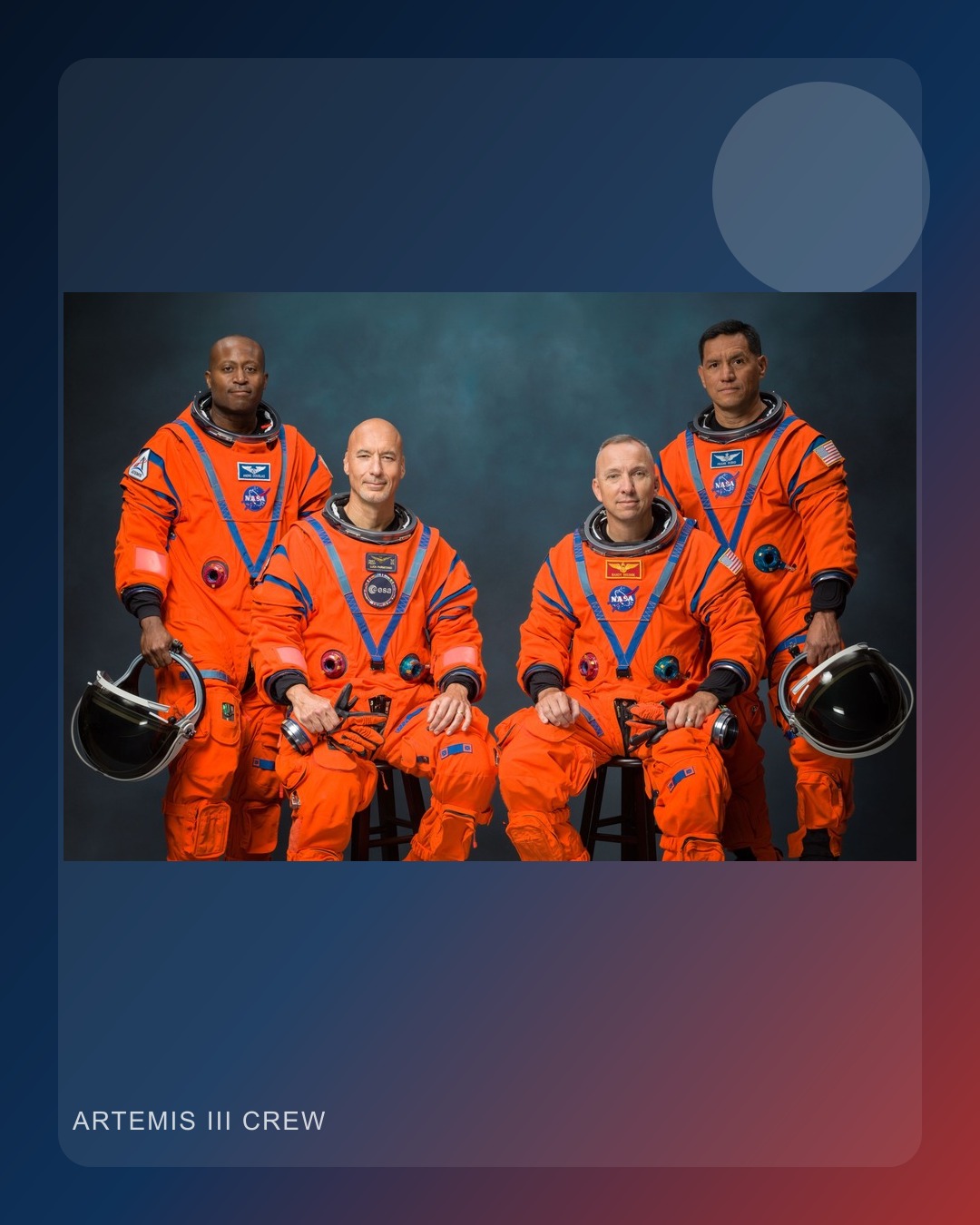
The Artemis III mission is easy to misunderstand if you only see the astronaut portrait. NASA named the crew, but the technical story is the choreography: launch a crew in Orion, practice the systems that future Moon landings need, and reduce risk before Artemis IV.
The beginner-friendly translation is this: NASA is using Artemis III to practice a space handoff. Orion, the Space Launch System, commercial lunar landers, ground systems, suits, docking, and human procedures all have to work together before astronauts depend on them near the Moon.
BTI did not test any spacecraft, verify mission readiness, confirm launch timing beyond NASA’s public source pages, or make endorsement claims. This guide explains the public NASA materials in plain English for readers who want the mission to make sense without needing aerospace vocabulary first.
- Artemis III is a crewed demonstration mission planned for 2027.
- The key idea is not only “go to space.” The key idea is “prove the handoff before a Moon landing.”
- If Artemis IV is the planned lunar South Pole landing step, Artemis III is the rehearsal that makes the architecture more real.
Artemis III mission quick answer
Artemis III matters because future Moon missions are not one rocket doing everything. The astronauts ride Orion, NASA uses SLS to send them up, and the landing architecture depends on commercial human landing systems. That means one of the hardest parts is getting separate spacecraft to meet, align, connect, transfer safely, and separate again.
Think of it like this: a normal road trip needs one car. Artemis needs a crew vehicle, a giant launch system, lander hardware, suits, ground teams, procedures, and backup plans. Artemis III is where NASA practices the pieces before asking them to carry astronauts down to the lunar surface.
| Piece | Plain-English role | Why it matters |
|---|---|---|
| Crew | Four astronauts train for a mission that is meant to reduce risk before the next Moon landing attempt. | A named crew turns the story from abstract space planning into a real human mission. |
| SLS and Orion | The Space Launch System sends Orion and the astronauts into space. | Orion is the crew vehicle. It has to support the astronauts and bring them home. |
| Commercial landers | NASA wants to test docking with one or both human landing systems in Earth orbit. | The Moon landing depends on several spacecraft working together, not one simple rocket ride. |
| Docking rehearsal | The mission practices rendezvous and docking before astronauts rely on that handoff near the Moon. | Docking is the space version of lining up two moving vehicles perfectly enough to connect them safely. |
Why docking is the real hook
Docking sounds boring until you translate it. Two spacecraft are moving in orbit. They have to find each other, line up, approach carefully, connect, stay stable, and let people or systems move through the connection. If that handoff is unreliable, the whole Moon plan becomes riskier.
That is why this topic is perfect for short-form explainers. A competitor-style post can open with the surprising claim: NASA’s next Moon mission is really a space docking rehearsal. Then each slide can unpack one part: crew, Orion, SLS, landers, docking, and why the Moon landing waits for all of it to work together.
For normal readers, the takeaway is not a prediction. The takeaway is a better mental model: Artemis is becoming a multi-vehicle system, and multi-vehicle systems need practice before the most dangerous part of the mission.
The Artemis III mission also shows why modern space technology can feel less like one heroic machine and more like a carefully timed network. A rocket, crew capsule, lander, suits, software, communications, procedures, and ground teams all need to act like one system. That is the kind of idea BTI can make saveable in a carousel without pretending to review spacecraft.
What not to overclaim
It would be sloppy to frame Artemis III as a completed Moon landing, a guaranteed schedule, or a review of hardware. NASA’s public pages describe a planned 2027 crewed demonstration that helps prove systems for later lunar landing missions. That is exciting enough without stretching it.
It would also be too vague to say “NASA is going back to the Moon” and stop there. The better explanation is specific: NASA is testing how Orion and landing-system pieces coordinate before a crew depends on that architecture closer to the lunar surface.
Artemis III FAQ
Is Artemis III the Moon landing?
NASA describes Artemis III as a crewed demonstration mission in low Earth orbit that supports later lunar landing goals. BTI is treating it as a systems rehearsal, not as a completed landing claim.
Why are commercial landers part of the story?
NASA’s Artemis architecture uses commercial human landing systems. Artemis III is important because separate spacecraft and teams need to prove they can work together safely.
Why should normal tech readers care?
Because Artemis III is a clean example of modern technology getting more modular: rockets, crew vehicles, landers, suits, software, and ground systems all have to connect into one mission.
Sources for this Artemis III guide
This guide uses official NASA source pages and is written as a plain-English explainer. It does not make review, price, rating, stock, award, endorsement, or hands-on testing claims.
- NASA Artemis III mission page: NASA describes Artemis III as a crewed demonstration in low Earth orbit to test critical systems for future lunar landings.
- NASA Artemis III crew announcement: NASA named the Artemis III crew and described the 2027 test flight as a step toward Artemis IV.
- NASA Human Landing System reference: NASA explains the commercial human landing systems that are part of the Artemis architecture.
BTI final take
The interesting Artemis III story is not only the crew photo. It is the mission design. NASA is trying to prove that the pieces of a future Moon mission can meet and work together before astronauts rely on them for the landing step.
Save the simple version: Artemis III is the rehearsal. Orion carries the crew. SLS launches them. Commercial landers are the handoff. Docking is the test that makes the next Moon step believable.