
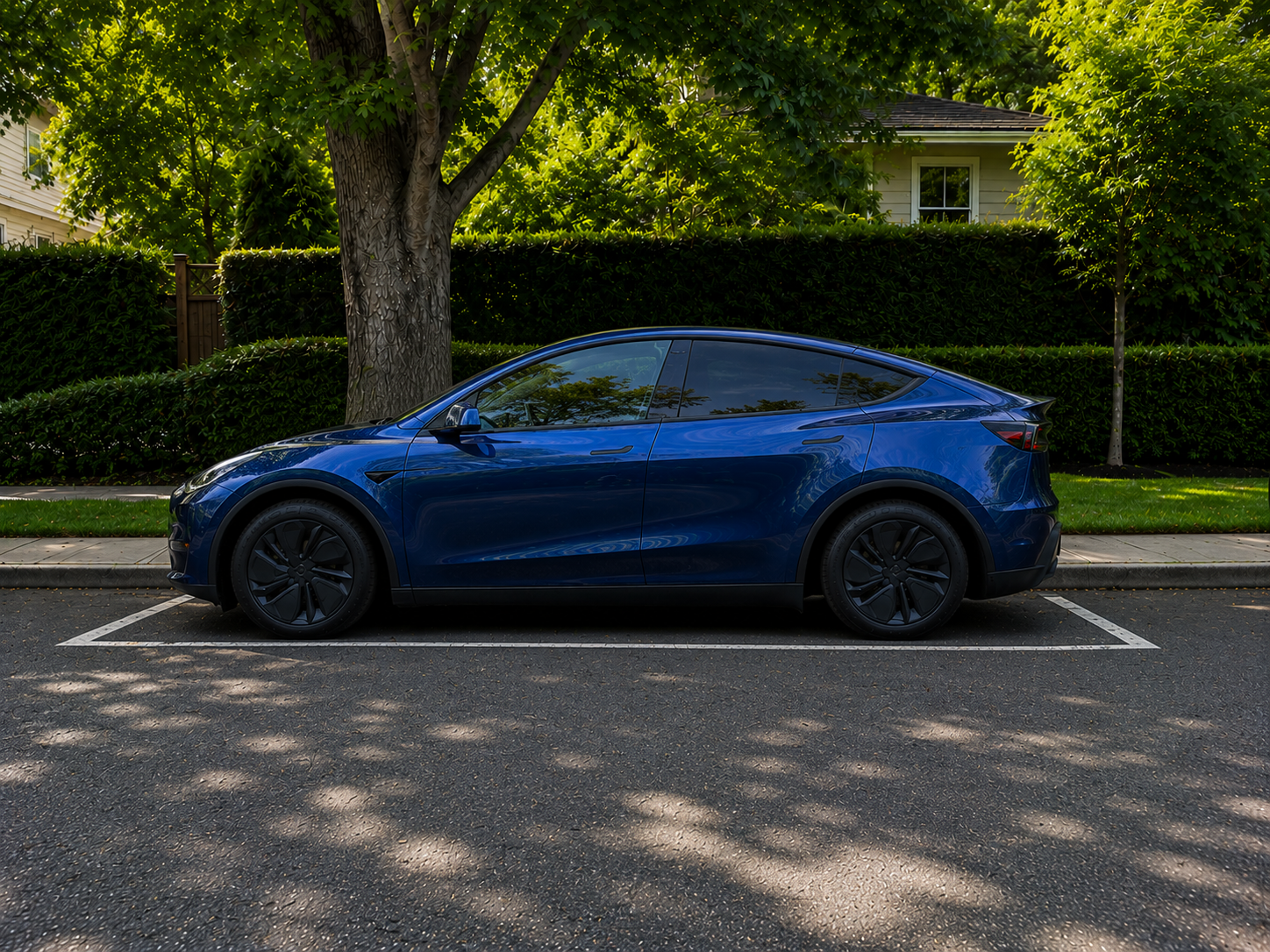
10 Tesla Model Y Juniper Ownership Lessons We Learned
After living with our 2026 Model Y Juniper Premium AWD, the biggest lesson is simple: this car is easiest to love when you understand the setup, the software, and the real-world tradeoffs before delivery day.
This Tesla Model Y Juniper ownership review is not about a perfect EV experience. It is about what actually stands out in daily use: road trips, charging adjustments, Full Self-Driving, accessories, and the small habits that make the 2026 Model Y Juniper easier to live with.
We are still very positive on the car. We would buy it again, and for most tech-forward buyers, it is still one of the easiest EVs to recommend. But the ownership experience is better when you go in with the right expectations. Charging setup matters. Accessories matter. Sentry Mode settings matter. FSD is useful, but it is still supervised.
If you are a new Tesla owner or considering a 2026 Model Y Juniper, these are the ownership lessons we would want to know first. They are practical, not theoretical, and they come from living with the car long enough for the honeymoon phase to wear off.
BTI on InstagramNew tech, decoded in plain EnglishFollow @besttechinsight for quick breakdowns of products, chips, robots, EVs, and science. Full reviews and guides stay here on BTI.
Follow @besttechinsightTesla Model Y Juniper ownership review: the short version
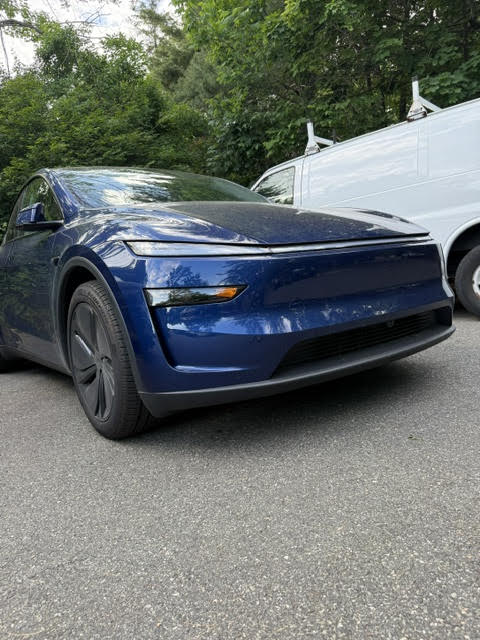
The 2026 Model Y Juniper works best as a complete ownership system. The car itself is comfortable, practical, quick, and quiet. The software makes daily use easier. The phone key is one of those features that sounds small until you get used to never thinking about keys. FSD changes the way the car feels on most drives, even though it still needs active supervision.
The biggest mistake is thinking of Tesla ownership like normal gas-car ownership with a battery instead of an engine. It is different. You get more software control, more charging planning, more settings, and more app-based convenience. Once that routine clicks, the car feels very easy to use.
The tradeoffs are real. Range is fine, but not amazing. Sentry Mode can use more battery than new owners expect. FSD is still too slow at stop signs. Parallel parking can struggle more than a confident human driver in tight spots. None of those issues change our verdict, but they are worth knowing before buying.
Tesla Model Y Juniper ownership snapshot
If you only scan one part of this guide, this is the ownership picture. The 2026 Model Y Juniper is strongest when the software, charging routine, and practical accessories are treated as part of the same setup.
It reduces fatigue enough that the car feels different from a normal crossover.
The ownership experience is much easier once charging becomes predictable.
Use it intentionally instead of leaving it on everywhere by default.
Floor, cargo, and seatback protection matter more than cosmetic add-ons.
Ownership scorecard: what feels strongest
This is how we would rank the major ownership areas after living with the 2026 Model Y Juniper. It is not a lab score. It is a practical read on what improves daily life most and what still requires patience.
10 Tesla Model Y Juniper ownership lessons we learned
1. FSD becomes a bigger part of ownership than expected
Before owning the car, it is easy to think of Full Self-Driving as a feature you will test occasionally. In our case, it became part of the normal driving routine. We use it around 97% of the time, with supervision, because it reduces fatigue and makes ordinary drives feel easier.
The strongest FSD use case is not one single scenario. It is the combination of highway driving, traffic, errands, and longer drives. When it works well, it changes the feeling of the car from a normal EV into a software-assisted daily driver. For a deeper breakdown, read our Tesla FSD HW4 review.
2. Stop signs are still one of FSD’s most annoying behaviors
FSD is impressive, but it is not flawless. The biggest frustration for us is how slow it can be at stop signs. It can feel overly cautious in a way that makes sense technically but does not always feel natural in real traffic.
That is why expectations matter. FSD can be one of the best parts of the 2026 Model Y Juniper ownership experience, but it is still supervised. It is not something to trust blindly, and the driver still needs to be ready to take over.
3. Charging setup matters more than most new owners realize
The most important ownership lesson is that charging needs a plan before delivery. Once the routine is dialed in, charging becomes much less stressful. Until then, it can feel like the biggest adjustment from a gas vehicle.
We use a mix of home and public charging, and the experience improved once we fine-tuned when and where we charge. Supercharging makes road trips easier, but daily ownership is much better when you understand your normal charging pattern.
4. Sentry Mode can drain more battery than expected
Sentry Mode is useful, but it is not free. One of our biggest battery lessons was that turning it off, or using it selectively, can save a lot of charge. That does not mean Sentry Mode is bad. It means new owners should understand when they actually need it.
This is a good example of Tesla ownership in general. The car gives you control, but you need to learn which settings fit your life. Once you stop treating every feature as something that must stay on all the time, the car becomes easier to manage.
5. Comfort depends on the driver
Comfort has been better than expected overall. For my wife, the seats are very comfortable. For me, they are good but not perfect because the seat bottoms feel short and my legs can hang over more than I would like.
That does not ruin the car, but it is a useful reminder to sit in the vehicle carefully before buying. The 2026 Model Y Juniper feels calm, quiet, and easy to drive, but seat comfort can be personal.
6. The interior makes sense after an adjustment period
Tesla’s cabin can feel too minimal at first if you are coming from a traditional car. After living with it, the setup becomes easier to understand. The screen, app, voice controls, and steering wheel controls cover most of what you need.
The phone key is a standout convenience feature. It is not flashy, but it changes the daily rhythm of using the car. Walking up, getting in, driving, and walking away without thinking about a key is one of the small ownership wins that becomes hard to give up.
7. Range is fine, but not amazing
Our range experience is best described as fine. It is not bad, and it has not changed our recommendation, but it is also not something we would oversell. The more important point is that range feels better when charging is predictable.
That is why charging access is such a big part of the buying decision. If you have reliable charging, the 2026 Model Y Juniper is much easier to recommend. If you do not, the same car can feel more complicated than it should.
8. Buy protection accessories before cosmetic accessories
Accessories can make the Model Y easier to live with, but the order matters. The first priority should be protection: trunk and seatback protection, floor mats, and the pieces that protect high-wear areas.
We would not overbuy on day one, but we would buy the practical protection items early. Some accessories make ownership easier. Others sound useful but do not add enough. Our Model Y Juniper accessories guide covers what we kept and what we skipped.
9. Parallel parking can still be awkward
The 2026 Model Y Juniper is easy to drive, but automated parking behavior is not always smoother than a human driver. In tighter parallel parking spots, it can struggle in ways that feel overly cautious, moving inches when it appears to have much more room.
This does not matter for every owner, but it matters if you often park in tight city spots. The cameras and visibility tools are helpful, but we would not buy the car assuming automated parking will always be faster or more natural than doing it yourself.
10. The car is best for buyers who want a software-driven EV
The 2026 Model Y Juniper is strongest for tech-forward drivers, families, commuters, EV-first buyers with reliable charging, and people who genuinely want FSD and software features. That is the buyer profile where the car makes the most sense.
It is not the best fit for someone without reliable charging, someone who hates touchscreens, someone who wants a traditional luxury SUV, or someone who does not want to adjust habits. Tesla ownership is easy once the routine works, but it is still a different routine.
Would we buy the 2026 Model Y Juniper again?
Yes. We would definitely buy it again. The reason is not that the car is perfect. It is that the 2026 Model Y Juniper makes daily driving easier in enough ways that the tradeoffs feel manageable.
FSD, comfort, software, the app, charging integration, cargo space, and the overall ease of use make it feel different from a normal crossover. The frustrating parts are real, especially Sentry Mode drain, stop-sign behavior, parking quirks, and the need to plan charging. But the overall ownership experience is still very strong.
Our final verdict is simple: the 2026 Tesla Model Y Juniper is still one of the easiest EVs to recommend if you want a tech-forward SUV and your charging setup works. For the full vehicle breakdown, read our 2026 Tesla Model Y Juniper review. For more EV coverage, visit the Best Tech Insight EV hub.
Tesla Model Y Juniper ownership FAQ
Is the 2026 Tesla Model Y Juniper worth it?
Yes, if you want a software-driven EV and have reliable charging access. The comfort, app experience, FSD usefulness, cargo space, and daily convenience make it easy to recommend.
What is the biggest mistake new Tesla Model Y owners should avoid?
The biggest mistake is waiting until after delivery to think seriously about charging. Charging setup, adapters, Sentry Mode habits, and your normal routine affect the ownership experience more than most new buyers expect.
What is the first accessory we would buy?
We would start with trunk and seatback protection, then add floor mats and other practical protection pieces. Cosmetic accessories can wait.
Leave a Reply