
BTI Space Explainer
SpaceX Falcon 9 Starlink Launch: What Normal People Should Watch
The SpaceX Falcon 9 Starlink launch is useful to watch because it turns a huge space event into a repeatable system: liftoff, stage separation, booster landing, satellite deployment, and then another launch window.

SpaceX Falcon 9 Starlink launch quick answer
A Falcon 9 Starlink mission is not just a bright rocket video. It is a sequence. The first stage lifts the rocket, the upper stage keeps going toward orbit, the booster tries to land for reuse, and the satellites are released later in the flight. That simple sequence is the part worth saving.
The current source-backed watch example is Starlink 17-54. SpaceX lists a target window of June 15, 2026, 07:00-11:00 PT from Vandenberg Space Force Base, with Falcon 9 targeting 24 Starlink satellites to low Earth orbit. Treat that as a target window, not a completed event.
The reason so many accounts cover these launches is simple: the topic has instant visual drama, a clear countdown, a familiar brand, and a beginner-friendly question. How can a rocket launch become this routine?
For BTI, that is the best angle. We should explain the system behind the spectacle, not pretend every launch needs a hype headline. If a launch slips, the explainer still works because the moving parts are the same.
BTI on InstagramNew tech, decoded in plain EnglishFollow @besttechinsight for quick breakdowns of products, chips, robots, EVs, and science. Full reviews and guides stay here on BTI.
Why the launch cadence is the real story
Most people remember a launch by the flame, smoke, and countdown. The bigger business and engineering story is repetition. SpaceX’s public launch schedule can show Falcon 9 missions separated by only a few days when the queue is active. That does not make space easy. It means the company has built a workflow around reused boosters, repeatable launch pads, recovery vessels, and standardized mission operations.
That is why a Falcon 9 Starlink launch can feel both spectacular and strangely normal. The rocket is doing something extreme, but the operation around it is designed to happen again and again.
Beginner translation: the product is not just one rocket. It is the launch machine around the rocket.
5 things to watch in a Falcon 9 Starlink launch
| Moment | Plain meaning | What to watch | Why it matters |
|---|---|---|---|
| Liftoff | Falcon 9 leaves the pad using nine Merlin engines on the first stage. | Look for the first clean climb away from the pad and the quick roll as the rocket turns toward its planned path. | This is the part most people recognize, but it is only the start of a timed chain. |
| Stage separation | The first stage finishes its main job, separates, and the second stage continues toward orbit. | Listen for main engine cutoff, separation, and second engine start in the launch commentary. | A reusable rocket still needs the upper stage to do the orbital work. |
| Booster landing | The first stage tries to come back for a landing instead of being thrown away. | Watch for entry burn, landing burn, and the drone ship or landing-zone view. | This is the reusable part of the story. It is why routine launches are still interesting. |
| Satellite deployment | The upper stage releases the Starlink satellites into low Earth orbit. | Deployment usually happens after the launch has already left the dramatic camera views behind. | The mission is not only the rocket shot. The point is adding working satellites to the network. |
| Next launch window | SpaceX launch cadence is part of the technology, not just a calendar detail. | Check whether the next listed Falcon 9 mission is days away, weeks away, or still waiting for a firm target. | When launches become routine, the interesting question becomes how the system keeps repeating. |
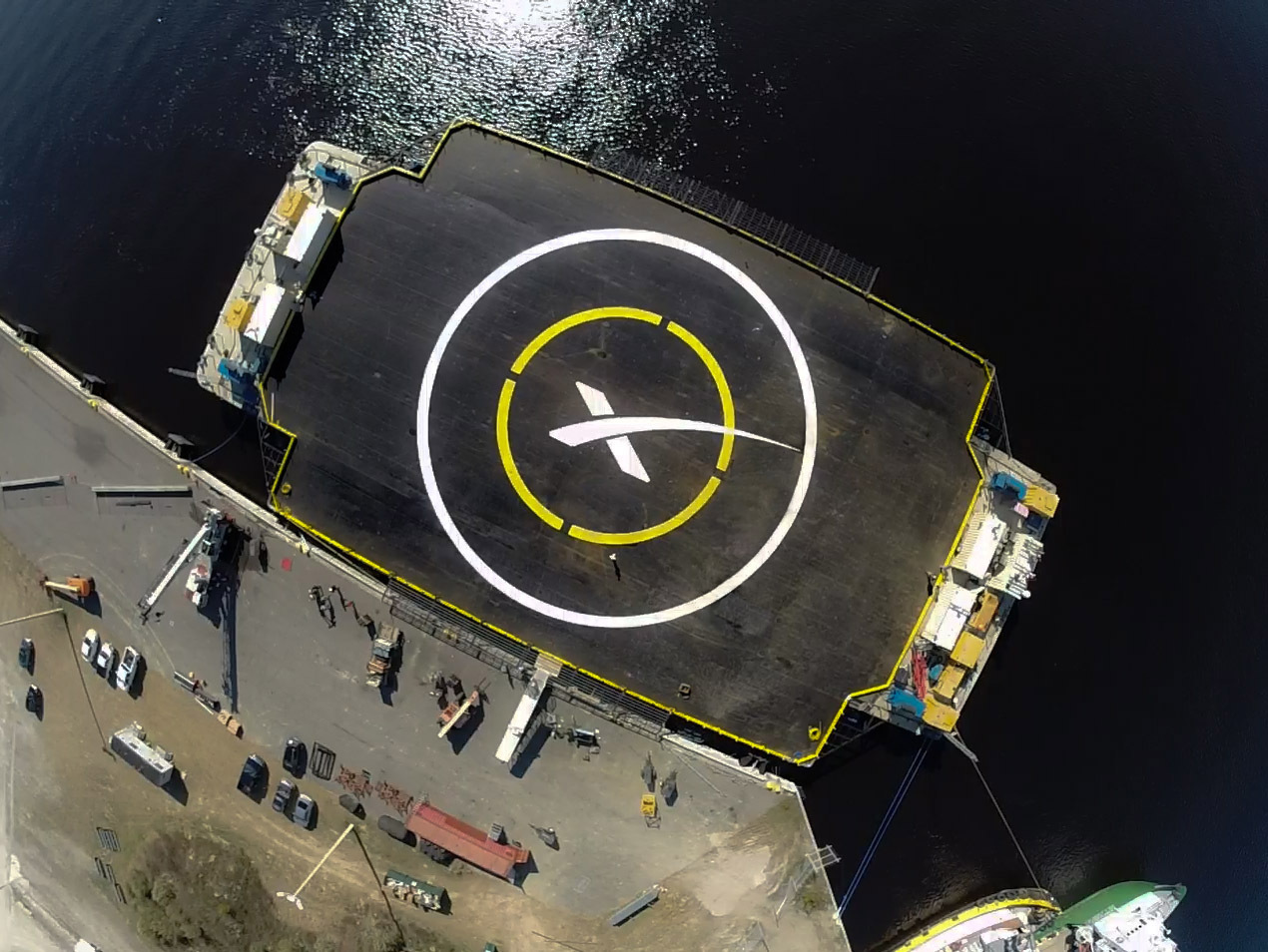
The booster landing is the swipe-worthy moment
If you only watch one extra part after liftoff, watch the booster landing attempt. The first stage is the tall lower part of the rocket. After it separates, it has to orient itself, survive the trip back through the atmosphere, and slow down near the landing target.
That is why launch accounts often show the landing burn, a drone ship, or a split-screen view. It gives viewers a second payoff after the rocket has already left the pad.
The cautious wording matters. Before the event, say “attempt” or “targeting.” After official confirmation, say what happened. Do not claim a launch, landing, or deployment succeeded before the source confirms it.
What Starlink changes about the topic
Starlink missions are easier for normal readers to understand than many payloads because the purpose is familiar: satellites that support internet service. The details can still get technical, but the buyer-level idea is simple. More satellites can support more network capacity, coverage, and service work.
That does not mean every viewer needs satellite jargon. A better post says: “The rocket is only half the story. The payload is a batch of internet satellites, and the booster may be reused again.”
That framing gives the audience a reason to watch past the first launch clip. It also avoids pretending a routine mission is boring. Routine is the point.

How to tell if a SpaceX post is overclaiming
Use this checklist before sharing a launch post:
- Does it say “targeting” before launch instead of implying the event already happened?
- Does it separate Falcon 9 from Starship?
- Does it name the mission or payload without inventing extra drama?
- Does it say booster landing “attempt” until the landing is confirmed?
- Does it link back to an official launch page or a reputable launch tracker?
This is where BTI can be useful. We can keep the wonder, but remove the confusion.
Sources worth checking before the launch
Start with the official SpaceX Starlink 17-54 mission page and the broader SpaceX launches list. Then compare the countdown and mission details against a tracker such as Next Spaceflight or a Falcon 9 schedule page such as RocketLaunch.org. For context on why reuse keeps drawing attention, Space.com reported on a Falcon 9 booster record earlier in June 2026.
For more plain-English space explainers, BTI also has a guide to why Artemis III needs multiple launches and dockings. For another “big system behind the buzzword” example, read the BTI explainer on AI factories and data centers for answers.
Final take
The best SpaceX post for BTI is not “rocket goes up.” It is “this is why a rocket going up again is interesting.” Start with the countdown because people already care. Then explain the sequence, the landing attempt, the satellite payload, and the cadence that makes the launch feel routine.
That is the repeatable format: current event first, beginner translation second, saveable watch list third. It is simple enough for a casual reader, but specific enough to avoid sounding like a generic space caption.
SpaceX Falcon 9 Starlink launch FAQ
Is Falcon 9 the same as Starship?
No. Falcon 9 is the workhorse rocket used for many Starlink launches. Starship is SpaceX’s much larger next-generation vehicle. Do not mix the two when posting launch news.
Why do people care about another Starlink launch?
The launch itself is dramatic, but the bigger story is repeatability. A routine Falcon 9 Starlink launch shows how launch operations, booster recovery, and satellite deployment can become a repeating system.
What should I watch after liftoff?
Watch for stage separation, the booster landing attempt, and satellite deployment confirmation. Those moments explain more than the first few seconds of flame and smoke.
Can a launch time change?
Yes. Rocket launches can be delayed or scrubbed for weather, technical checks, range constraints, or other reasons. Treat launch times as targets until the event happens.