
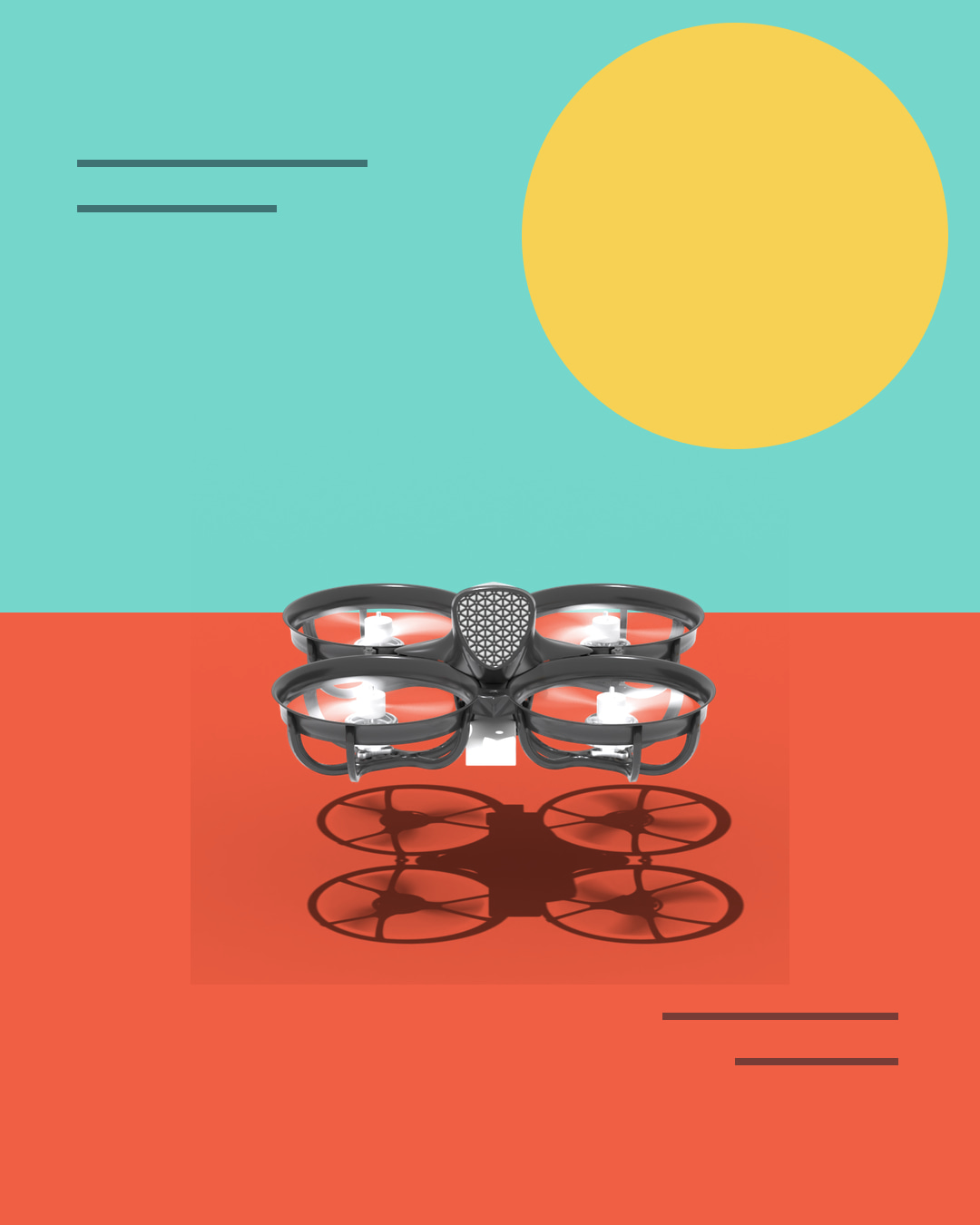
Official Tornyol product imagery in a BTI editorial composition. No endorsement or independent product test is implied.
New robotics, plain English
Tornyol Mosquito Drone: What the Moth Test Proved
A real micro-drone flew at a moth. But its main tracking and steering computer sat outside the drone.
The Tornyol mosquito drone story is more useful than the viral headline. On July 14, 2026, co-founder Alex Toussaint shared a new test. He said a 40-gram drone hit a flying moth in the air. The drone was real. So was the moth, according to the founder. But this was not a finished mosquito product working outdoors.
The team used a setup called hardware-in-the-loop. In plain English, some parts were real and other parts ran on lab gear. The drone flew in the test area. Motion-capture cameras tracked the scene. A computer outside the drone built the sonar view, processed the signals, and sent steering commands.
This split is common in early hardware work. It lets a team test one hard part before every custom part is small enough to fly. The test showed that a real drone could follow commands fast enough to chase a moving insect. The next job is harder. Tornyol must fit the sensor and computer in the drone. It must also make the battery, steering, charging, and safety systems work together.
Want the quick version next time?
Follow @besttechinsight for fast, source-backed explanations of new products, chips, AI, robots, EVs, and science. The detailed guide stays here on BTI.
Tornyol mosquito drone: the quick answer
Tornyol plans to send out sound that most people cannot hear. This is called ultrasound. Several microphones would listen for echoes. Moving wings change those echoes. Tornyol says the changes may help tell a mosquito from other objects. The company also wants to tell insect types apart.
A computer would compare the microphone signals and estimate where the insect is. It would then tell the drone how to move. The full plan has a simple loop: patrol, find, chase, return, charge, and patrol again.
The July 14 test did not put that full loop in the drone. The flying part was small. The tracking and computing gear stayed in the lab. Think of it as proving that the body can follow the brain before the brain is small enough to ride inside.
What the moth test showed, and what comes next
| System layer | July 14 test | Intended product | Evidence boundary |
|---|---|---|---|
| Flying hardware | A physical 40-gram micro-drone flew in the controlled test setup. | A small drone patrols one area, then returns to a base station. | One indoor test does not prove range, battery life, or reliable outdoor use. |
| Target | Founder Alex Toussaint said the drone intercepted a flying moth. | Tornyol wants the system to find and intercept mosquitoes. | A moth result does not prove that the drone can pick the right insect outdoors. |
| Position tracking | The founder described a motion-capture setup that tracked the test scene. | High-pitched sound and several microphones are meant to locate insects from echoes. | Test cameras do not prove that the final onboard sensor can do the same job. |
| Signal processing | An outside computer built the sonar view, processed signals, and steered the drone. | Tornyol plans to move that work onto a small computer in the drone. | The final sensor, computer, and steering loop were not all inside the drone. |
| Control | The external computer sent movement commands to the drone. | The product is meant to patrol, recharge, find a target, and intercept it on its own. | This is one test step. It is not a finished self-running service. |
What hardware-in-the-loop means
Hardware teams often test before every custom part is done. Hardware-in-the-loop makes that possible. A real machine works with a simulated part or a computer outside the machine. Engineers can watch the steering loop, find bad moves, and change the software without rebuilding the whole drone.
In this test, the physical drone obeyed commands. Lab gear supplied the tracking and computing. That can show that the steering idea works in one controlled setup. It does not tell us how heavy, hot, loud, power-hungry, or reliable the final onboard gear will be.
The next step is to join the parts. The sensor must fit. The computer must be fast and use little power. The drone must cope with shake, wind, walls, plants, people, pets, and other insects. This is where a good demo either becomes a useful machine or falls short.
How ultrasonic sensing could identify a mosquito
A small speaker sends out very high-pitched sound. Objects reflect some sound back. Several microphones record when each echo returns. They also record small changes in the sound. A computer can compare those signals to estimate where a tiny moving object is.
Wings add another clue. A wing moves toward and away from the sensor many times each second. That motion changes the echo. The pattern is called micro-Doppler. Tornyol says it can turn the echoes into a picture of the sound, then use the pattern to sort targets.
The idea follows known signal methods. Real-world accuracy still needs proof. A yard has leaves, rain, dust, hard surfaces, wind, pets, and many kinds of insects. BTI has not seen an outside field study with range, miss rate, wrong-target rate, species accuracy, or hit rate across those conditions.
The full product needs six loops, not one chase
| Loop | Plain-English job | What evidence would matter |
|---|---|---|
| Patrol | Cover one space without hitting things. | Area covered, crashes, noise, and weather limits. |
| Detect | Notice a small target in a busy scene. | Range and missed targets in real yards. |
| Classify | Tell a mosquito from other moving things. | Right and wrong choices across insects and weather. |
| Intercept | Reach the chosen target safely. | Repeat mosquito hits, obstacle checks, and safety tests. |
| Recharge | Return to base and start again. | Docking success, charge time, and useful patrol time. |
| Supervise | Let a person set zones, pause, and handle faults. | Clear controls, logs, safe stops, upkeep, and local rules. |
Why the viral version leaves out the hardest questions
A short clip can show one hit. It cannot show how often the drone misses or picks the wrong target. It cannot show useful battery life or safe use near a home. Those facts decide whether the idea can become a product.
The drone would also need to avoid helpful insects and other wildlife. A company goal is not the same as a field result. Good tests should report four things on their own: finding a target, choosing the right target, reaching it, and avoiding harm to other life.
Rules will depend on where and how the drone flies. Covered rotors may lower some risks. They do not prove safe use near faces, pets, roads, nearby homes, or public space. Buyers should look for current safety data and local rules. One development clip is not broad approval.
How BTI checked the Tornyol claims
BTI checked four public sources on July 15, 2026. They were Alex Toussaint’s test post, Tornyol’s site, and two Y Combinator pages. We split the claims into clear parts. The drone and reported moth hit were real-world parts. The test cameras and outside computer were lab parts. The onboard sensor and full patrol loop are future parts.
Our visuals use product and founder images hosted by Tornyol. BTI made new layouts around them. We did not reuse a rival caption, edit, video, or song. The topic surfaced through a public Instagram count. That count only shows likes and comments at one time. It does not show reach, watch time, saves, shares, follows, cause, or proof that a post went viral.
BTI did not build, fly, inspect, time, weigh, buy, or test this drone. We did not prove outdoor mosquito hits, insect sorting, safety, range, battery life, noise, charging, shipping, price, or stock. This article has no affiliate link. BTI has no verified Tornyol affiliate deal, and this is an engineering guide rather than a review.
What the July 14 test does not establish
- The complete sonar, signal-processing, and control stack operating onboard the final drone.
- Repeatable mosquito detection, classification, and interception outdoors.
- Safe and selective operation around people, pets, plants, pollinators, or other wildlife.
- Useful patrol coverage, battery duty cycle, docking reliability, weather tolerance, or service life.
- Independent product performance, retail readiness, price, availability, rating, review, award, or endorsement.
What to remember
The best one-sentence explanation is this: Tornyol linked a real 40-gram drone to an outside tracking and steering computer, then reported that the system hit a flying moth. The drone flew. The main computer stayed offboard. The next test is to move the sensor and steering loop into the drone while keeping it fast, safe, selective, and useful.
This sits between two extremes. It is more than an animation. It is less than a finished yard product. It is a controlled test with a clear next step.
Follow @besttechinsight for the exact mechanism and evidence boundary behind new robots, chips, AI products, and science demonstrations. Related BTI explainers cover how MIT’s FAAV crosses from water into air, how 1X NEO senses a slipping object, and how a field robot separates crops from weeds.
Tornyol mosquito drone FAQ
What did Tornyol demonstrate on July 14, 2026?
Co-founder Alex Toussaint said a real 40-gram drone hit a flying moth in a controlled test. Test cameras and an outside computer helped track and steer it.
Was the final mosquito-detection system running onboard?
No. The founder said an outside computer built the sonar view, processed signals, and sent steering commands. Moving that work into the drone was the next step.
How is the Tornyol mosquito drone supposed to find insects?
Tornyol plans to send high-pitched sound, record echoes with several microphones, and look for patterns made by moving wings.
Did the test prove it can distinguish mosquitoes from other insects?
No outside field result reviewed by BTI proves reliable mosquito sorting, wrong-target rates, or safe use around other insects. Those tests still matter.
Can people buy the finished Tornyol system now?
BTI is not making a price, shipping, or stock claim. A sign-up page does not prove a finished product has shipped. Check Tornyol’s current site for updates.
Sources
- Alex Toussaint: July 14 moth-interception test: Primary founder post for the reported moth hit and the outside-computer test setup.
- Tornyol official product and technology page: Company description of the 40-gram drone, sound sensor, patrol plan, and base station.
- Y Combinator company profile: Tornyol: Company profile and founder summary of the drone, microphones, signal work, and steering plan.
- Y Combinator launch post: Tornyol: Founder-written history of the sound pulses, microphones, wingbeat clues, and product plan.