
Science explainer
CO2 Jet Fuel Explained: How Twelve’s AirPlant One Makes E-Jet Fuel
The simple version: Twelve says AirPlant One uses captured CO2, water, and renewable electricity to make E-Jet fuel for aviation.
CO2 jet fuel sounds like a headline from the future, but the basic idea is surprisingly easy to map. Instead of starting with crude oil, Twelve says AirPlant One starts with captured carbon dioxide, water, and renewable electricity. Those inputs are processed into E-Jet fuel, a synthetic aviation fuel pathway aimed at one of transportation’s hardest problems: planes need dense liquid fuel.
BTI is treating this as a current science and energy explainer, not a stock pick, product review, price check, airline recommendation, or climate victory lap. We did not test the fuel, verify commercial supply, measure lifecycle emissions, check availability, or rank airlines. The useful job here is simpler: translate the chain before the internet turns it into either miracle fuel or a dismissal.
The honest hook is: jet fuel can start with captured CO2. The honest caveat is just as important: the carbon source, power source, plant scale, certification, cost, and real aviation adoption all decide how much this matters.
- Captured CO2 supplies the carbon ingredient.
- Water supplies hydrogen after electricity splits it.
- Renewable electricity is central to the climate claim.
- The result is synthetic E-Jet fuel, not a consumer gadget or a guaranteed near-term replacement for all jet fuel.
CO2 jet fuel quick answer
CO2 jet fuel is a plain-English way to describe synthetic aviation fuel made with captured carbon dioxide as a feedstock. In Twelve’s AirPlant One framing, captured CO2 provides carbon, water provides hydrogen, renewable electricity provides energy, and the plant converts those ingredients into E-Jet fuel.
The reason this is interesting is not that airplanes suddenly become electric. It is the opposite: large aircraft are hard to electrify because batteries are heavy and long flights need dense energy. A liquid fuel that can use recycled carbon is one possible path for parts of aviation where batteries are not a simple answer.
| Part | Plain-English role | Reader check |
|---|---|---|
| Captured CO2 | The carbon ingredient comes from captured carbon dioxide, not from fresh oil pulled out of the ground. | Ask where the CO2 comes from and whether the source material is captured, recycled, or only promised. |
| Water | Water supplies hydrogen after it is split with electricity. | Hydrogen is not magic. It has to be made, and the power source changes the climate story. |
| Renewable electricity | Electricity provides the energy needed to split water and help turn ingredients into fuel. | Clean power is central to the claim. Without it, the headline gets much weaker. |
| Fuel synthesis | The plant turns the ingredients into E-Jet fuel that is meant for aviation use. | Plant scale, certification, cost, and supply still decide how far the idea can travel. |
Why aviation makes this story bigger
Cars can move toward batteries because the weight and charging tradeoffs can work for many trips. Planes have a tougher problem. A commercial aircraft needs huge energy density, fast refueling, strict safety rules, and infrastructure that can work at airports. That is why synthetic fuel stories get attention: they are trying to fit into a liquid-fuel world instead of replacing every plane with a battery.
That does not make every synthetic fuel story equally strong. The first question is the carbon source. The second is the electricity source. The third is scale. The fourth is cost. The fifth is whether airlines can actually use enough of it under real fuel rules and supply constraints.
That is the BTI reader map: if a future jet-fuel headline sounds too easy, ask for the source, the power, the plant, and the adoption path.
The 4-step version normal people can remember
Step one is captured CO2. Think of it as the carbon ingredient. Step two is water. Water can be split so hydrogen becomes available for fuel chemistry. Step three is renewable electricity. The electricity matters because it powers the hard parts of the process and heavily affects the climate logic.
Step four is fuel synthesis. The plant turns the ingredients into E-Jet fuel. That phrase is important because the output is not a charging cable or a new consumer product. It is a liquid aviation fuel pathway that still has to live inside the real airline, airport, certification, and supply chain world.
This is the entire Instagram post in one sentence: AirPlant One matters because it shows a factory-scale route where captured CO2, water, and renewable electricity can become jet fuel ingredients, while real-world scale and cost still matter.
What not to overclaim
Do not call this effortless fuel. The process needs equipment, electricity, water, operations, and a supply chain. Do not call it impact-free flying without a full source-backed lifecycle analysis. Do not imply every flight can switch tomorrow. Do not imply BTI tested the fuel, verified availability, or knows the price.
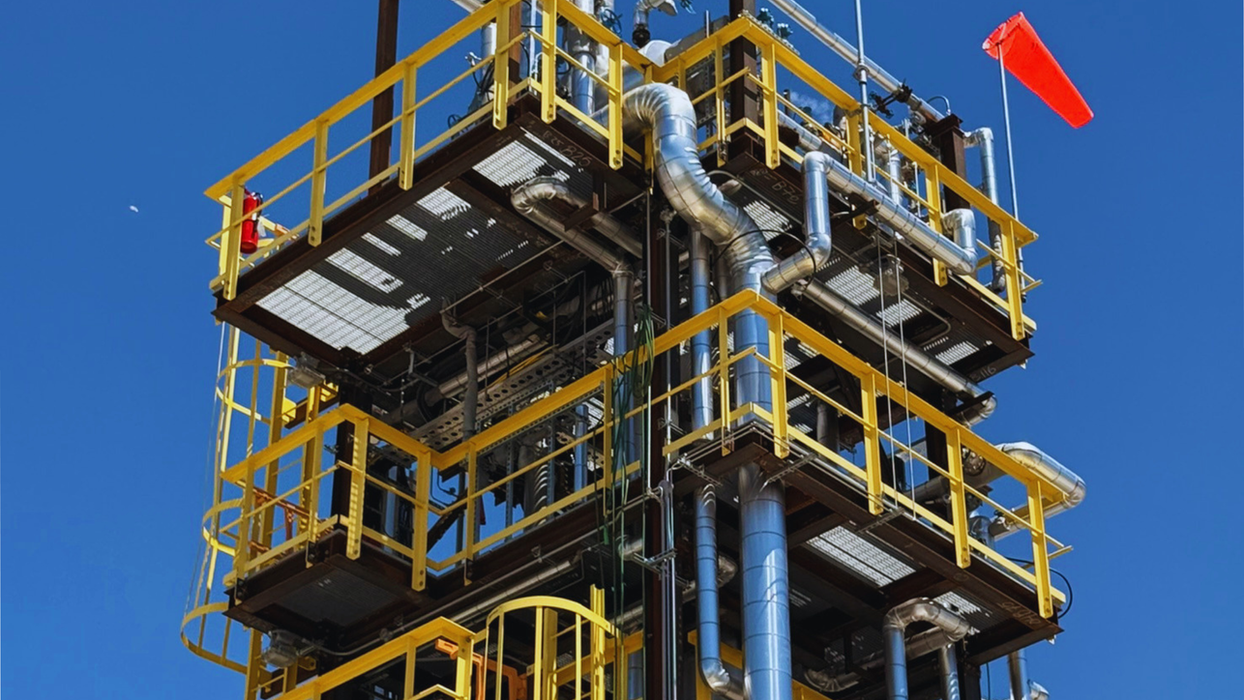
The better claim is narrower and stronger: Twelve says AirPlant One is making E-Jet fuel from captured CO2, water, and renewable electricity in Moses Lake. That is a useful current technology story because it makes a complicated energy idea visible. A normal reader can look at one plant image and understand the flow.
That is also why this topic works for BTI’s Instagram. It has a strange first frame, a clear mechanism, a real source visual, and an honest caveat. The post can be celebratory about the engineering without sounding like hype.
Sources BTI checked
- Twelve AirPlant One announcement: Twelve says AirPlant One has begun operations in Moses Lake and makes E-Jet fuel from captured CO2, water, and renewable electricity.
- Twelve AirPlant page: Twelve’s AirPlant page explains the company’s power-to-liquid fuel framing and provides the source visual used for BTI’s social post.
- PRNewswire release: The release carries the commercial-scale and U.S. facility framing from Twelve’s announcement.
- Interesting Engineering coverage: Interesting Engineering covered the story for a broad technology audience, which supports the plain-English science-breakdown social angle.
These sources support the core post framing. They do not support a BTI price claim, review claim, availability promise, stock recommendation, airline ranking, or guarantee that synthetic fuel will replace all aviation fuel.
Final take
The best plain-English version is: AirPlant One is a real plant-sized clue for how captured CO2, water, and renewable electricity can become E-Jet fuel. The reason it matters is aviation. The reason to stay careful is scale.
That makes this a strong BTI growth post: it is current, visual, surprising, useful, and honest. It is exactly the kind of complex technology headline normal readers will save when the explanation is simple enough.
CO2 jet fuel FAQ
Is CO2 jet fuel the same as normal jet fuel?
No. The point of this story is the feedstock and production route. Twelve describes E-Jet fuel made from captured CO2, water, and renewable electricity instead of the normal fossil-fuel path.
Does this mean flying is solved?
No. It means one synthetic fuel pathway has a concrete plant story. Cost, scale, certification, supply, power source, and adoption still matter.
Why does renewable electricity matter?
The process needs energy. If the electricity source is not clean enough, the climate argument gets weaker.
Why is this useful for normal readers?
It gives a simple way to read future aviation fuel headlines: ask for the carbon source, the hydrogen source, the power source, and the plant scale.