
Category: AI
-
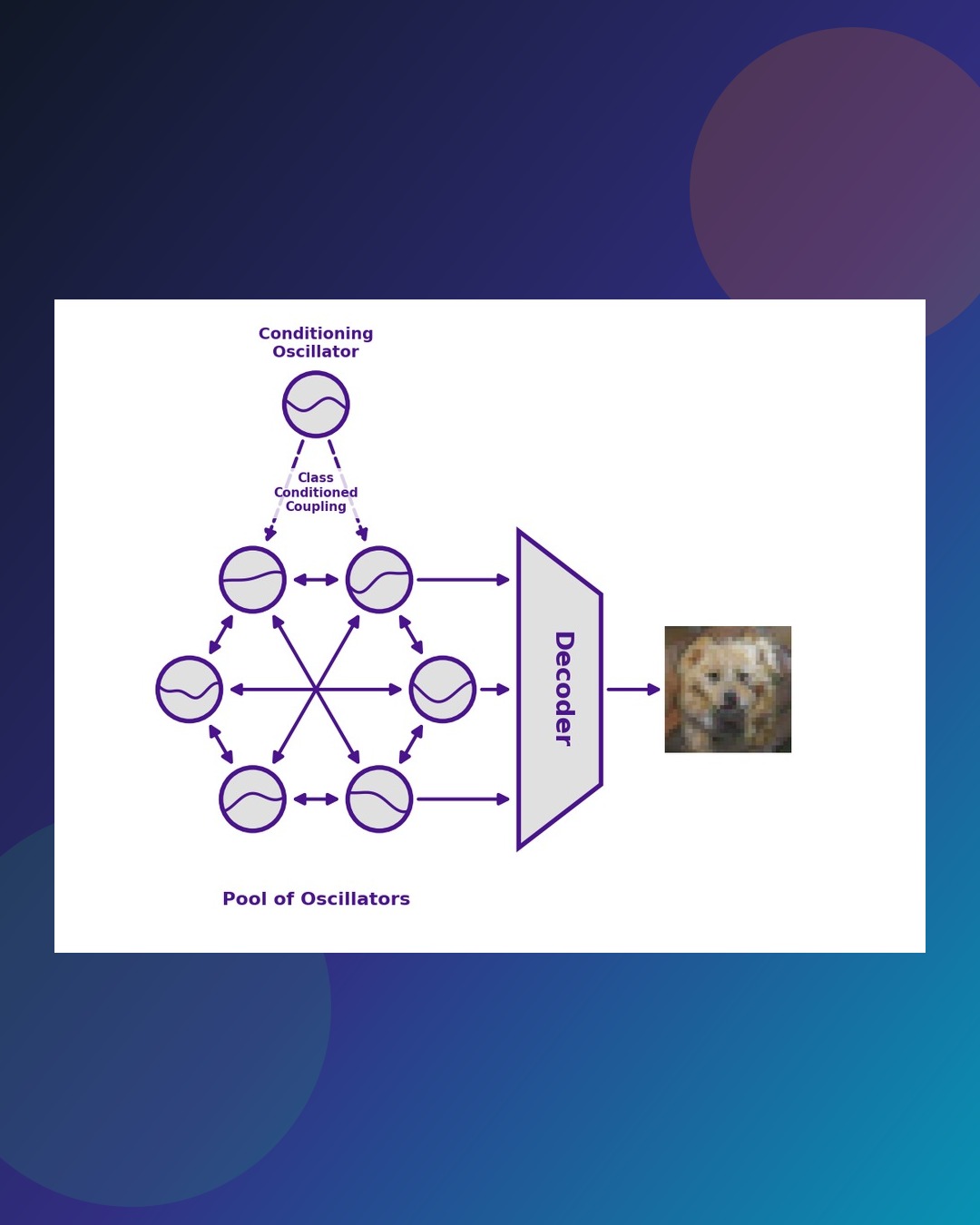
Unconventional AI Oscillator Computing Explained: Can AI’s Power Bill Drop?
Unconventional AI released Un-0, a software-simulated oscillator model. Here is the beginner-friendly version of the 1000x AI power goal without the hype.
-
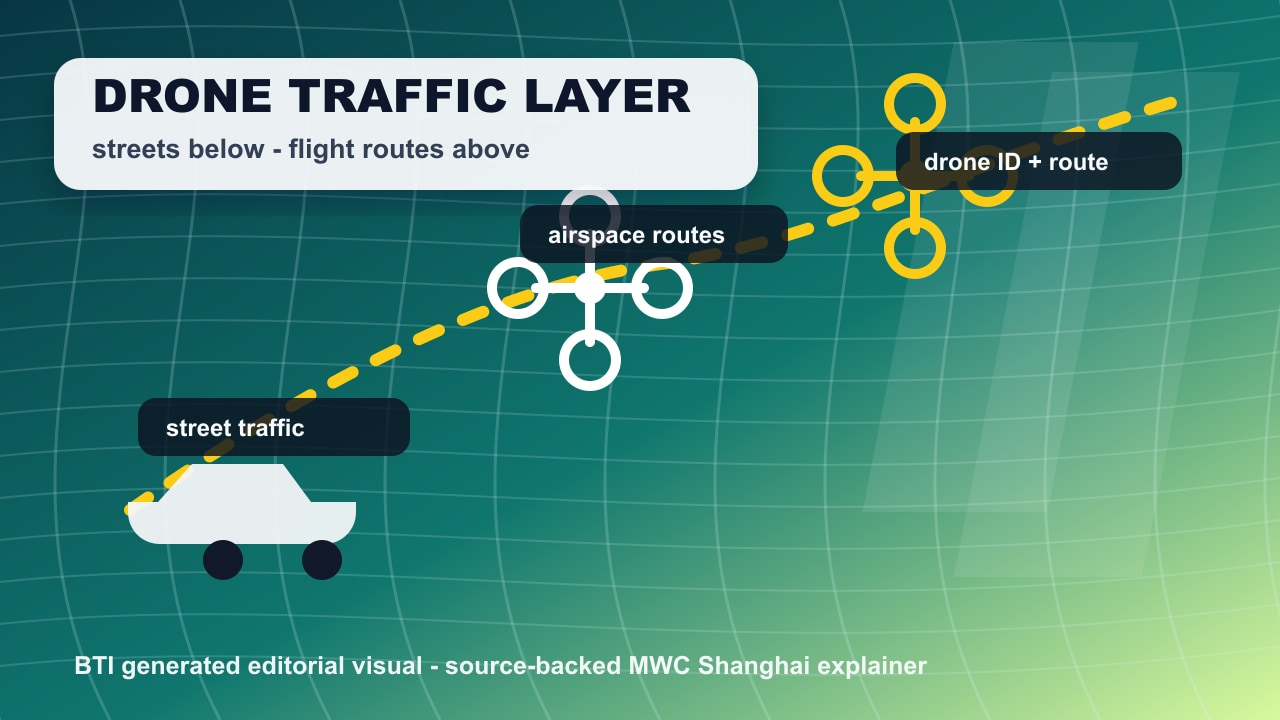
MWC Shanghai low-altitude economy explained: Why Drones Need Traffic Rules
MWC Shanghai is talking about drones, eVTOL, smart cars, AI, and connectivity. Here is the plain-English version of the low-altitude economy.
-
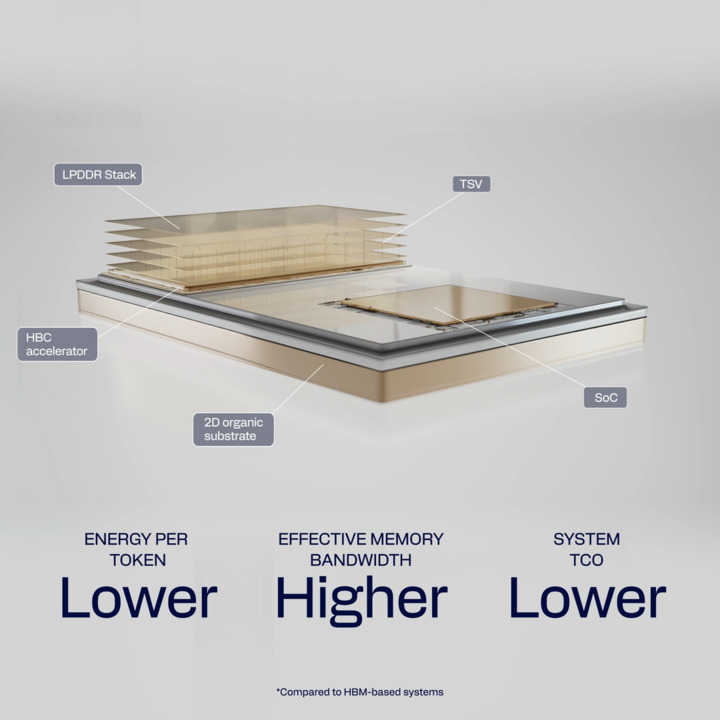
Qualcomm Dragonfly HBC explained: Why AI Has a Memory Wall
Qualcomm Dragonfly and High Bandwidth Compute turn a hard AI infrastructure idea into a simple question: can AI answers get memory closer to compute?
-
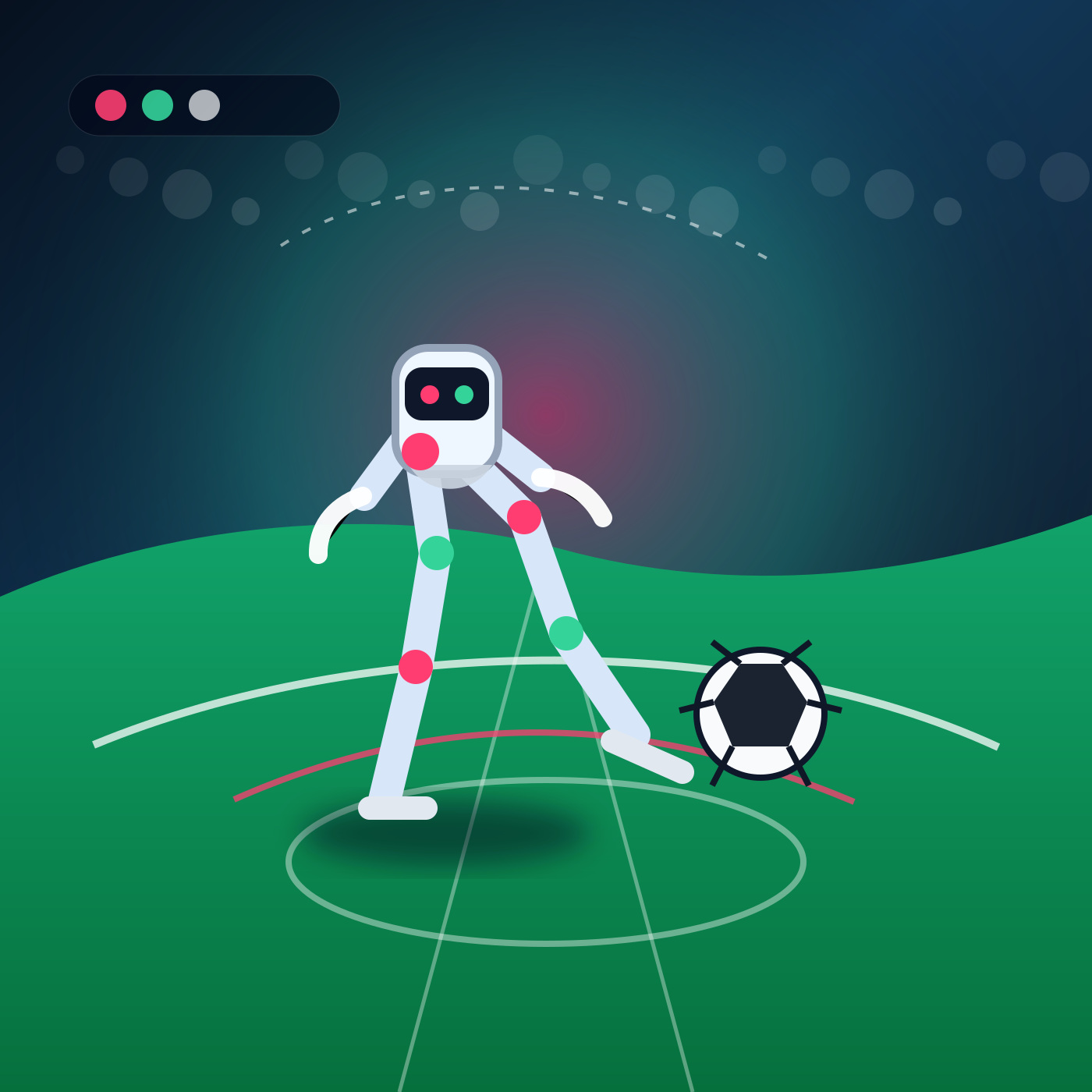
MWC Shanghai humanoid robot soccer explained: The AI Stress Test
Humanoid robots taking penalty kicks at MWC Shanghai are not just a novelty clip. Here is the plain-English version of what the demo tests.
-
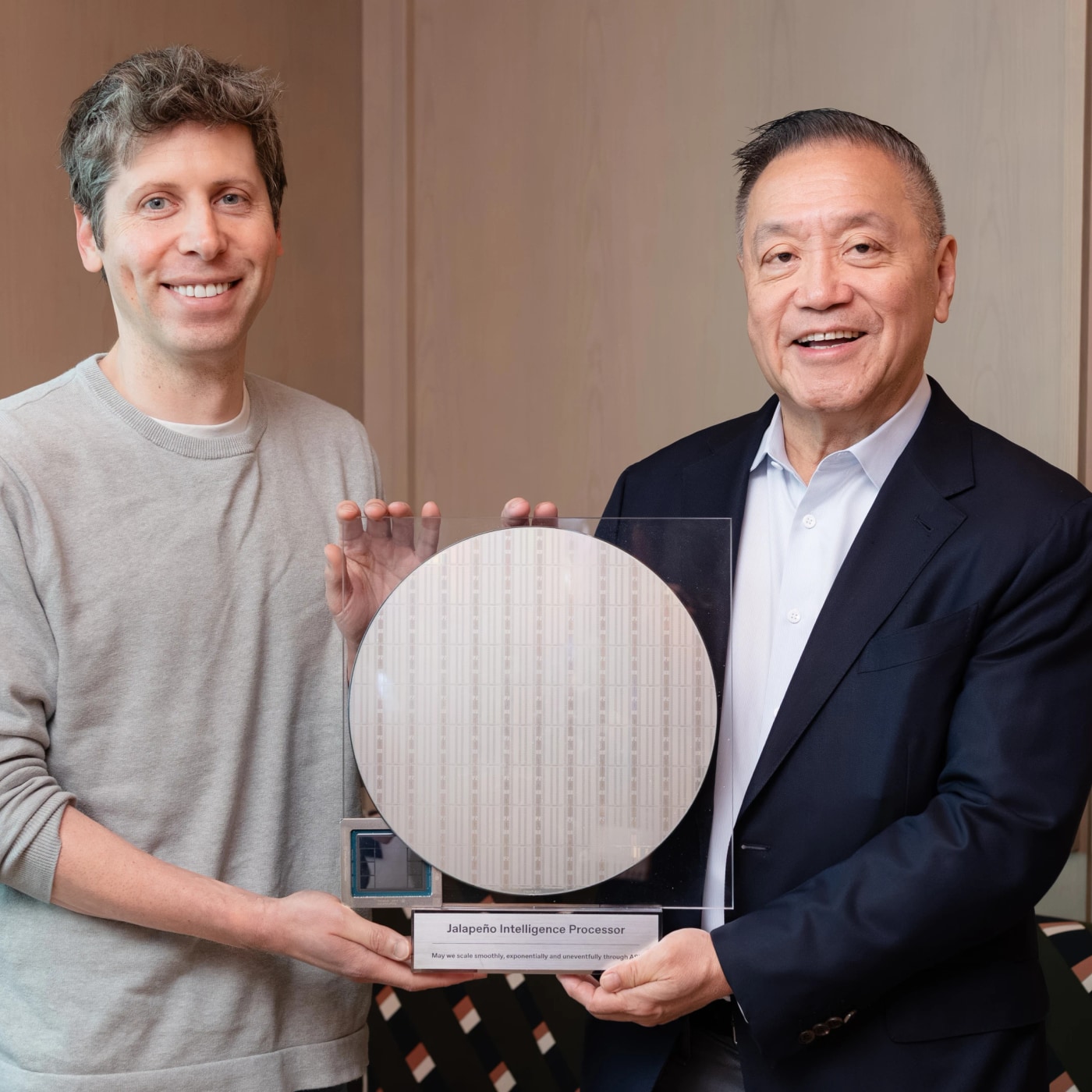
DeepSeek and OpenAI Inference Chips Explained: Why AI Labs Want Their Own Chips
DeepSeek is reportedly developing an AI inference chip, while OpenAI and Broadcom introduced Jalapeno. Here is the beginner-friendly map of why AI labs want custom silicon.
-
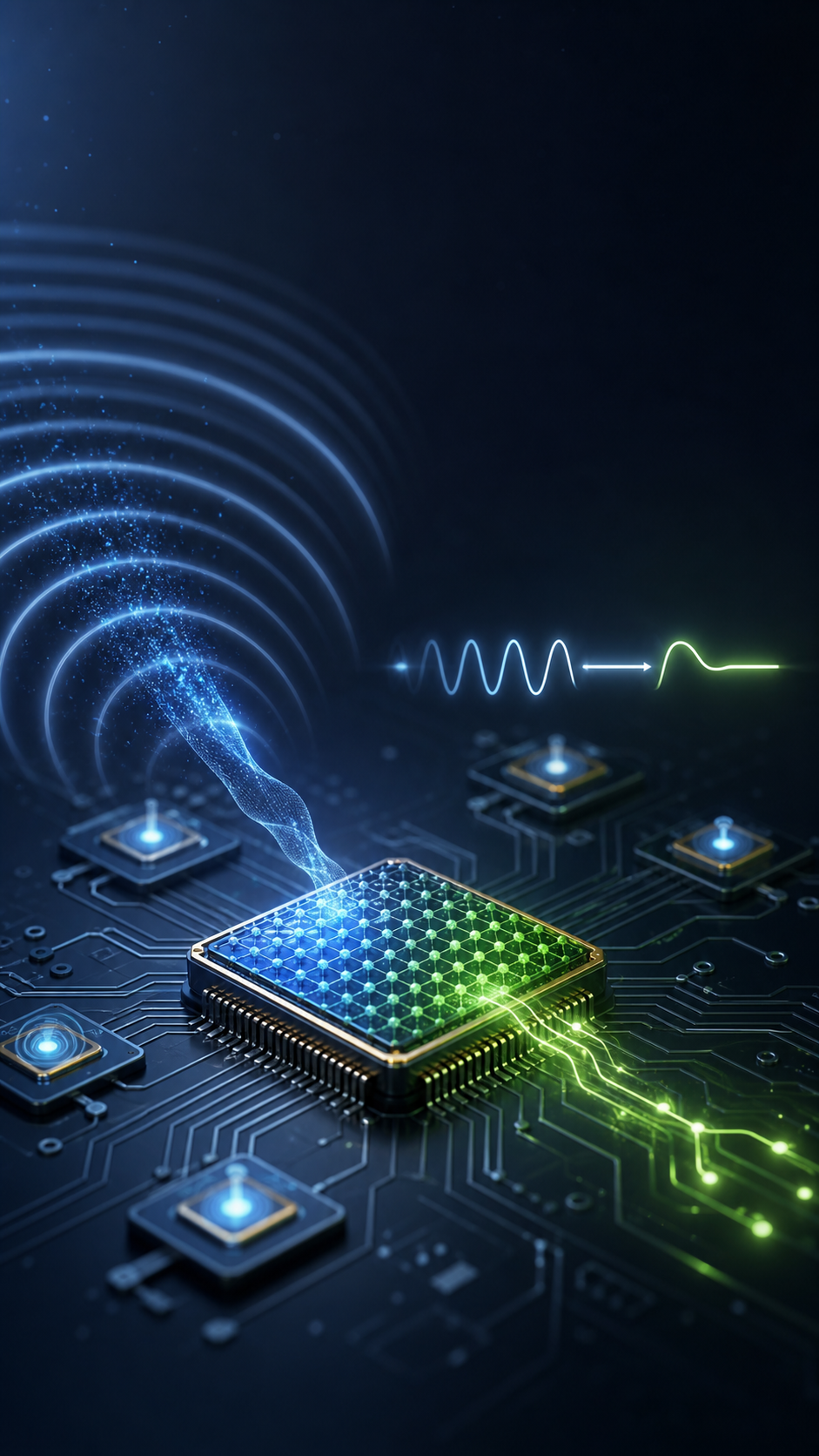
Battery-Free Sensors Explained: Can Tiny Sensors Run on Wireless Signals?
QUT researchers describe a quantum material effect that can turn faint wireless signals into usable direct current. Here is the careful beginner version.
-
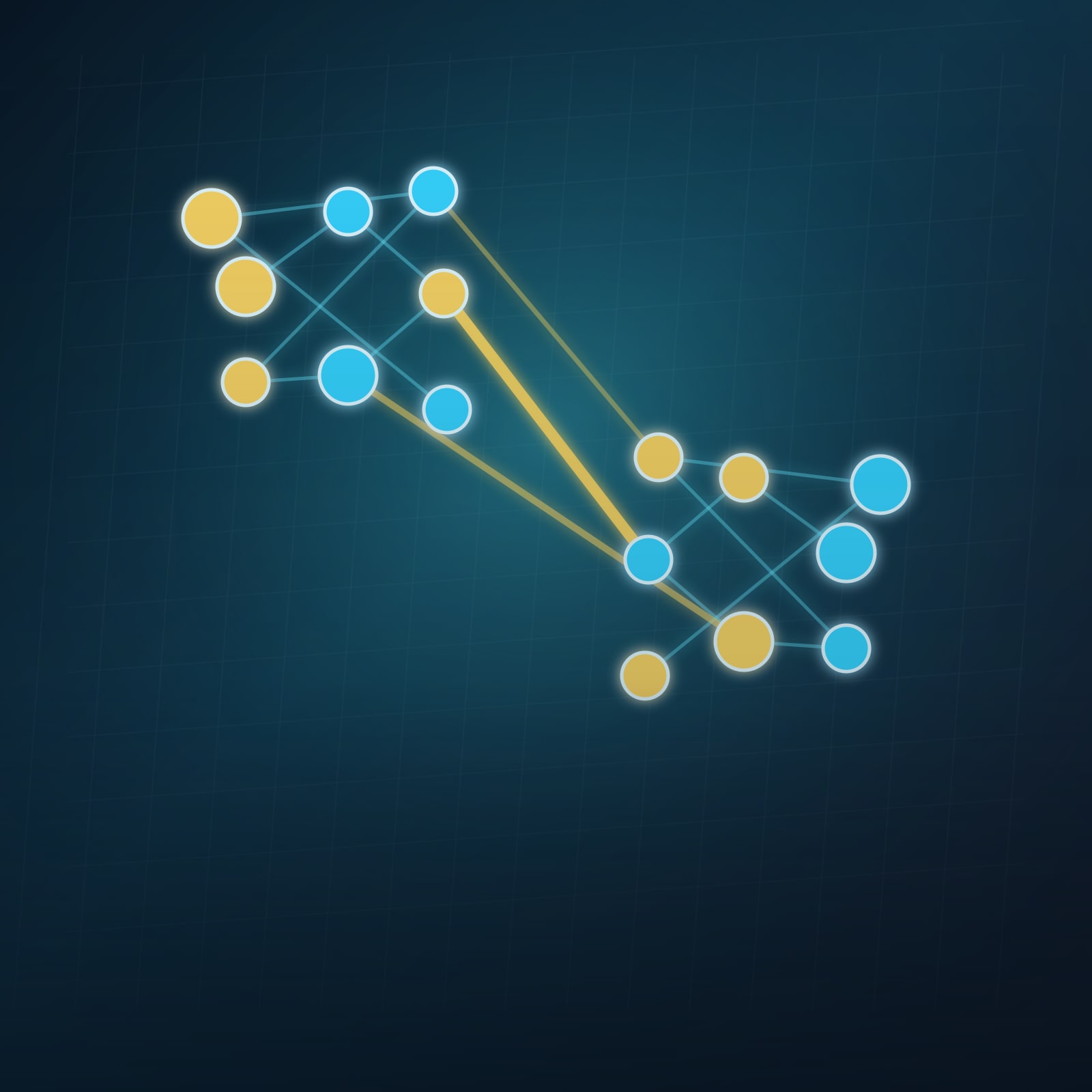
Quantum Error Correction Explained: Why Barbell Codes Matter
IQM says its barbell codes could reduce logical error rates and use fewer physical qubits. Here is the beginner-friendly map.
-
Orbital AI Data Centers Explained: Power, Heat, Links, and Repairs
Space AI data-center headlines sound futuristic. Here is the simple checklist: launch, sunlight, cooling, links to Earth, and repair plans.
-
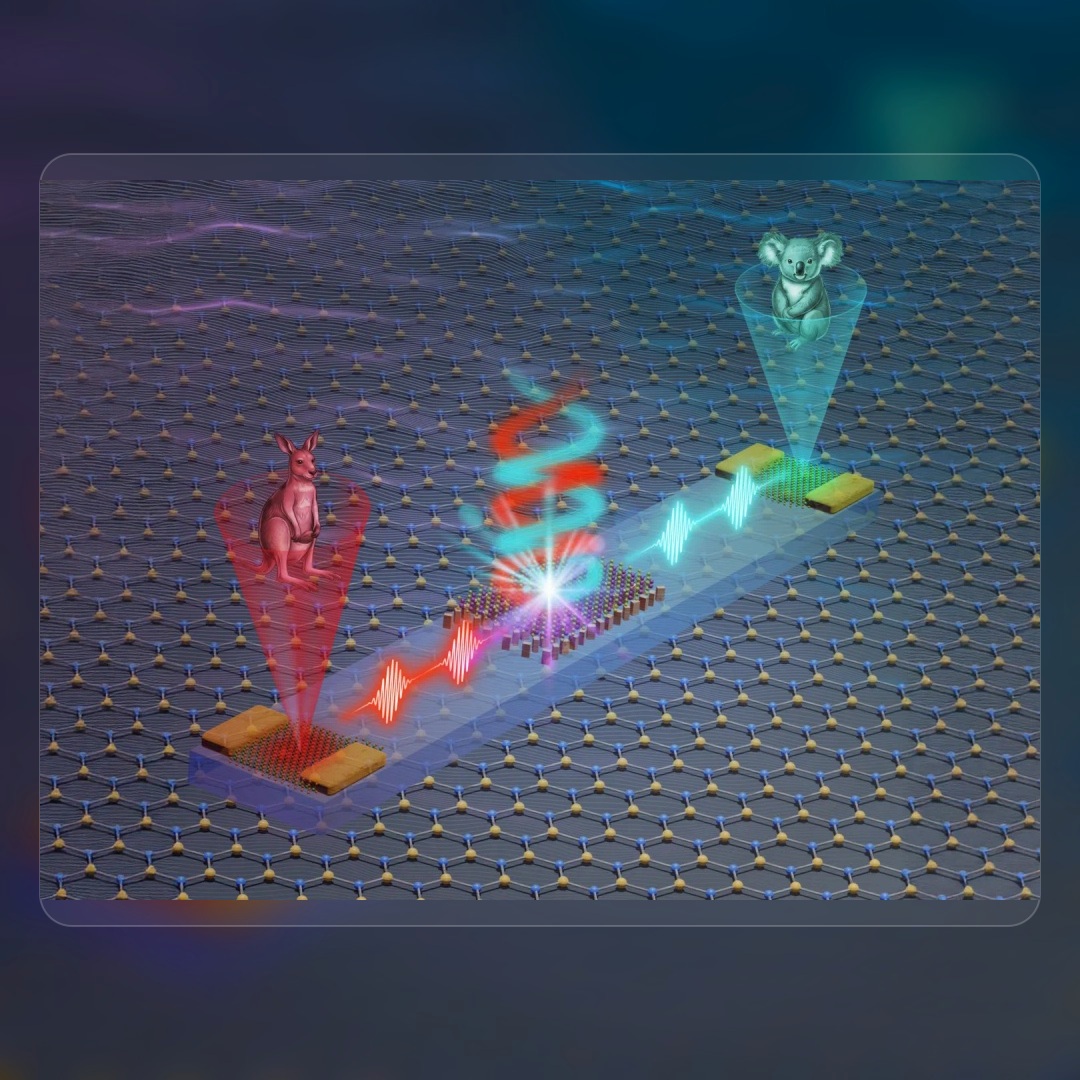
Light-Powered Chip Explained: How Monash Moves Data With Light
Monash researchers built a nanoscale circuit that creates, steers, and reads light signals on one chip. Here is the beginner-friendly version.
-
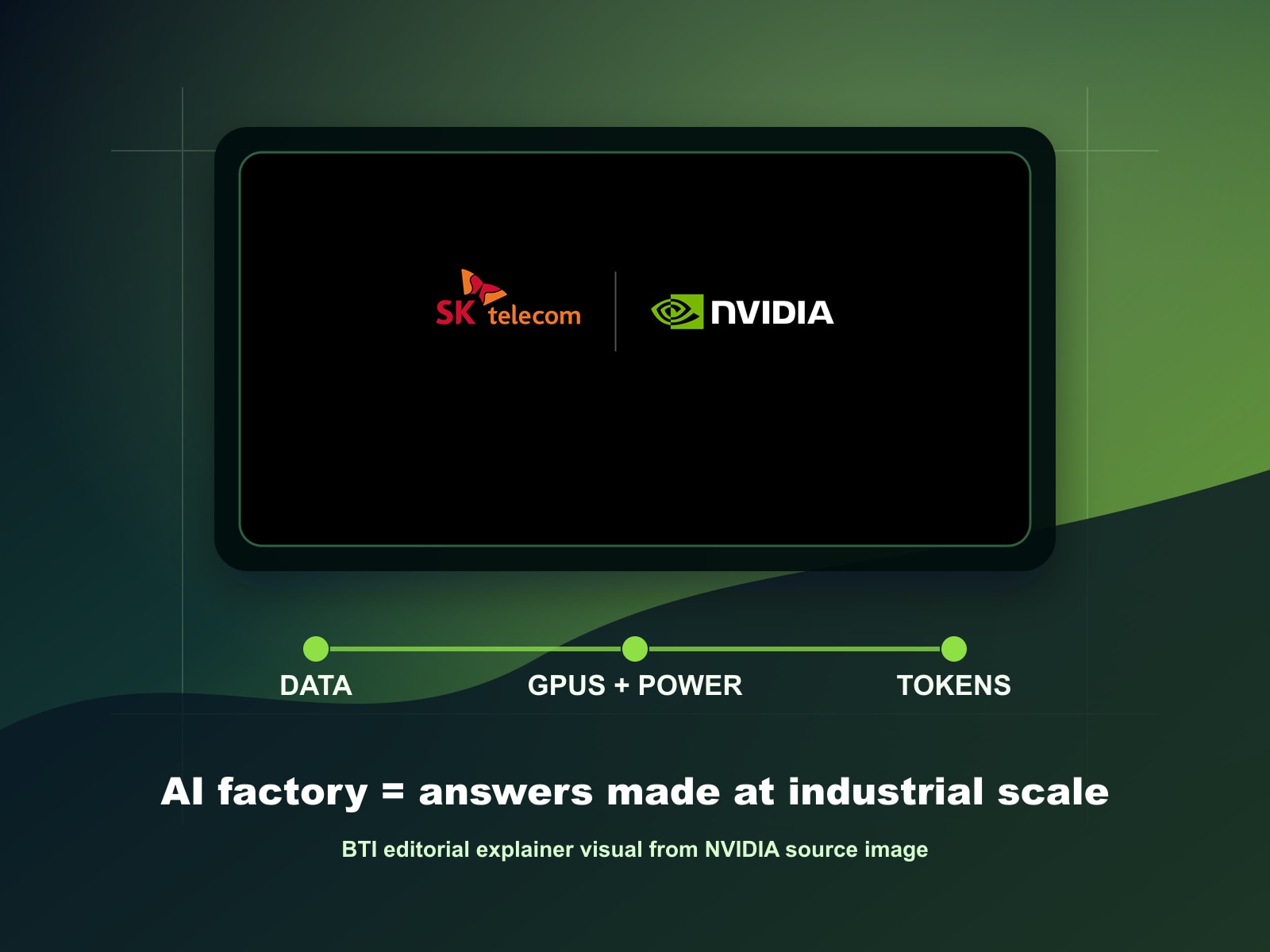
AI Factory Tokens Explained: Why NVIDIA and SK Telecom Use the Term
NVIDIA and SK Telecom framed Korea’s AI Cloud as an AI factory. Here is the plain-English version: data, GPUs, power, software, and tokens.