
Category: Science
-
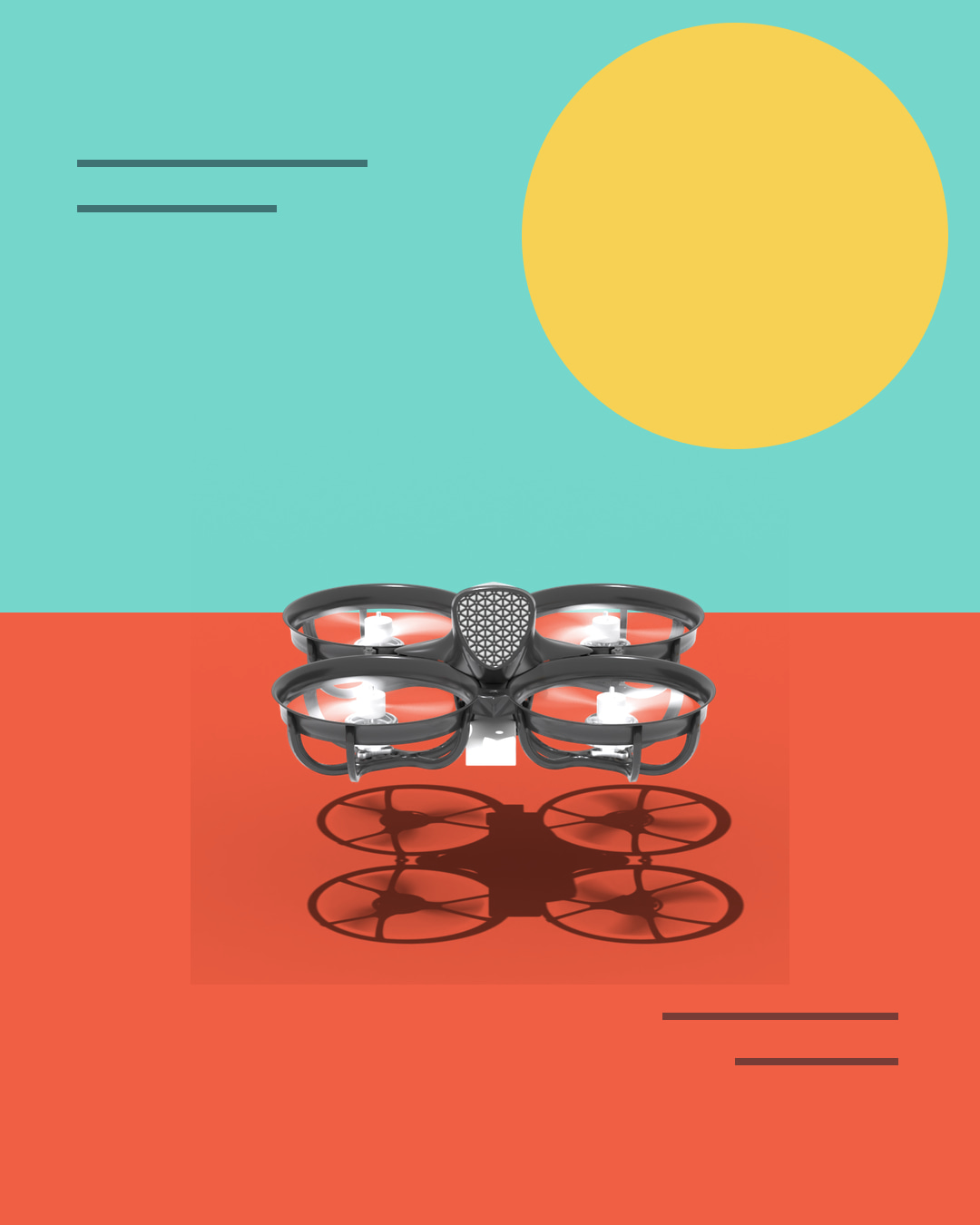
Tornyol Mosquito Drone: What the Moth Test Proved
The Tornyol mosquito drone reportedly intercepted a moth. See what ran onboard, what stayed on an external computer, and what must happen next.
-

MIT FAAV: The Robot That Swims and Flies
Robot that swims and flies: MIT’s FAAV uses flexible wings, a 70-degree launch, and five flaps per second to move from water into air. See how it works.
-
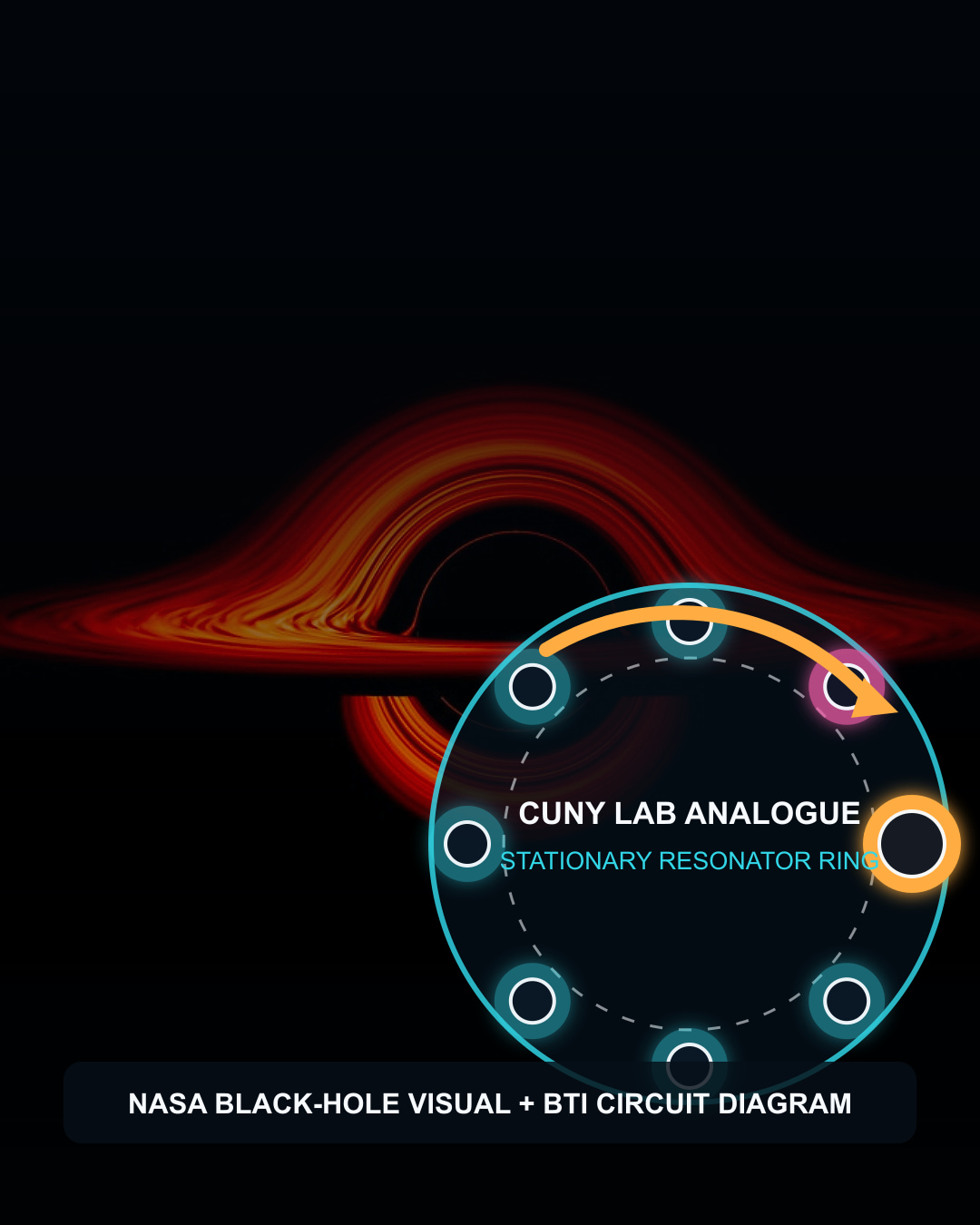
Black Hole Energy Lab: What CUNY Actually Built
Black hole energy lab explained: how CUNY used a stationary ring of timed resonators to amplify selected waves without creating a black hole.
-
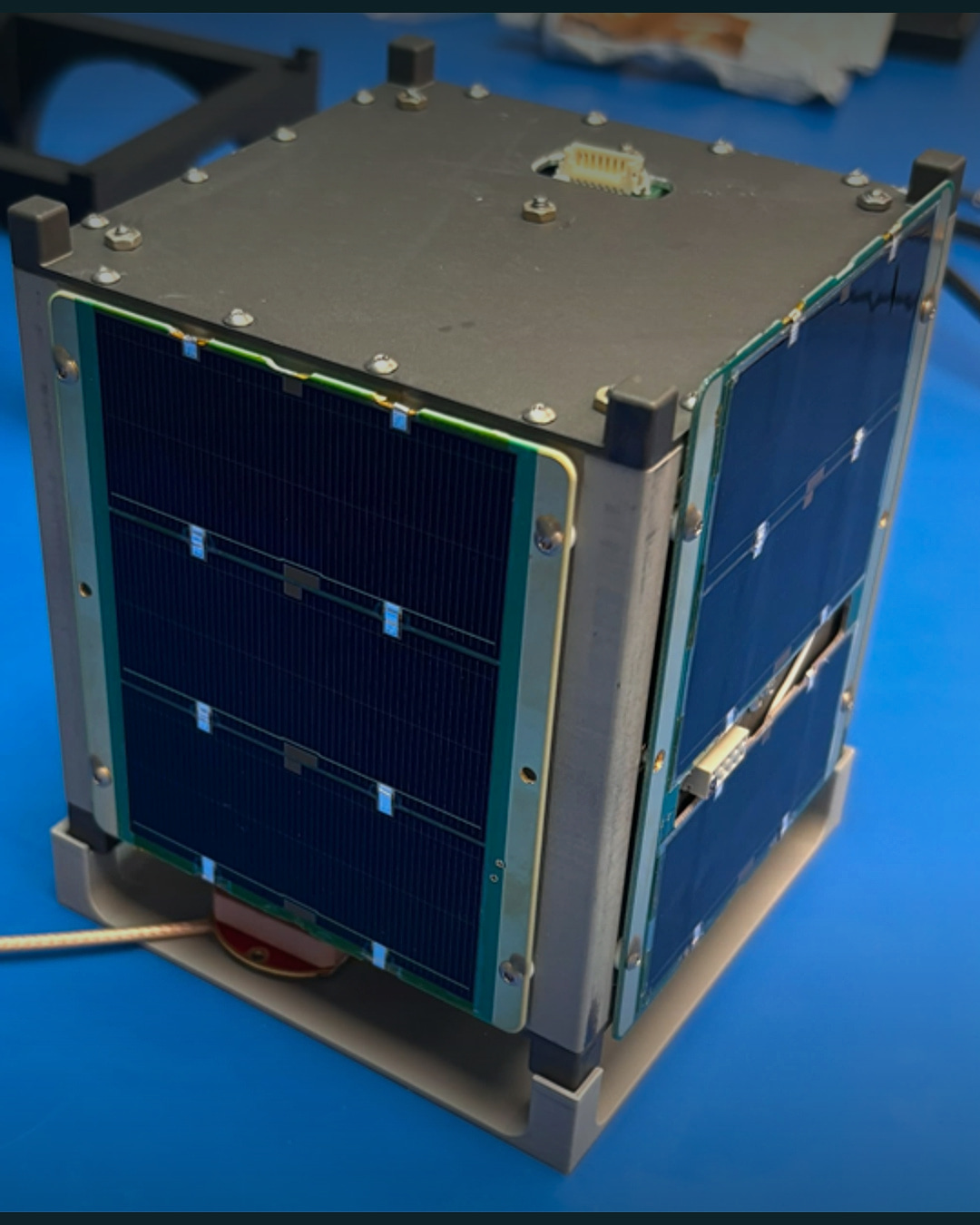
BOHR Nuclear Battery Explained: How a CubeSat Makes Power Without Sunlight
BOHR nuclear battery explained: how tritium decay becomes electricity, what the CubeSat actually powers, and why its satellite bus still uses solar.
-
AST BlueBird Satellite Phone Guide: Can a Normal Phone Talk to Space?
AST SpaceMobile’s BlueBird satellites make phone-to-space headlines easier to understand: orbit, antenna size, carrier support, location, and real service terms.
-

Battery-Free Sensors Explained: Can Tiny Sensors Run on Wireless Signals?
QUT researchers describe a quantum material effect that can turn faint wireless signals into usable direct current. Here is the careful beginner version.
-
Dodge Charger Solid-State Battery Explained: What the Road Test Means
Stellantis and Factorial put solid-state battery cells into a Dodge Charger Daytona development vehicle. Here is the plain-English road-test map.
-
CO2 Jet Fuel Explained: How Twelve’s AirPlant One Makes E-Jet Fuel
Twelve says AirPlant One turns captured CO2, water, and renewable electricity into E-Jet fuel. Here is the beginner-friendly version without climate hype.
-

Quantum Error Correction Explained: Why Barbell Codes Matter
IQM says its barbell codes could reduce logical error rates and use fewer physical qubits. Here is the beginner-friendly map.
-
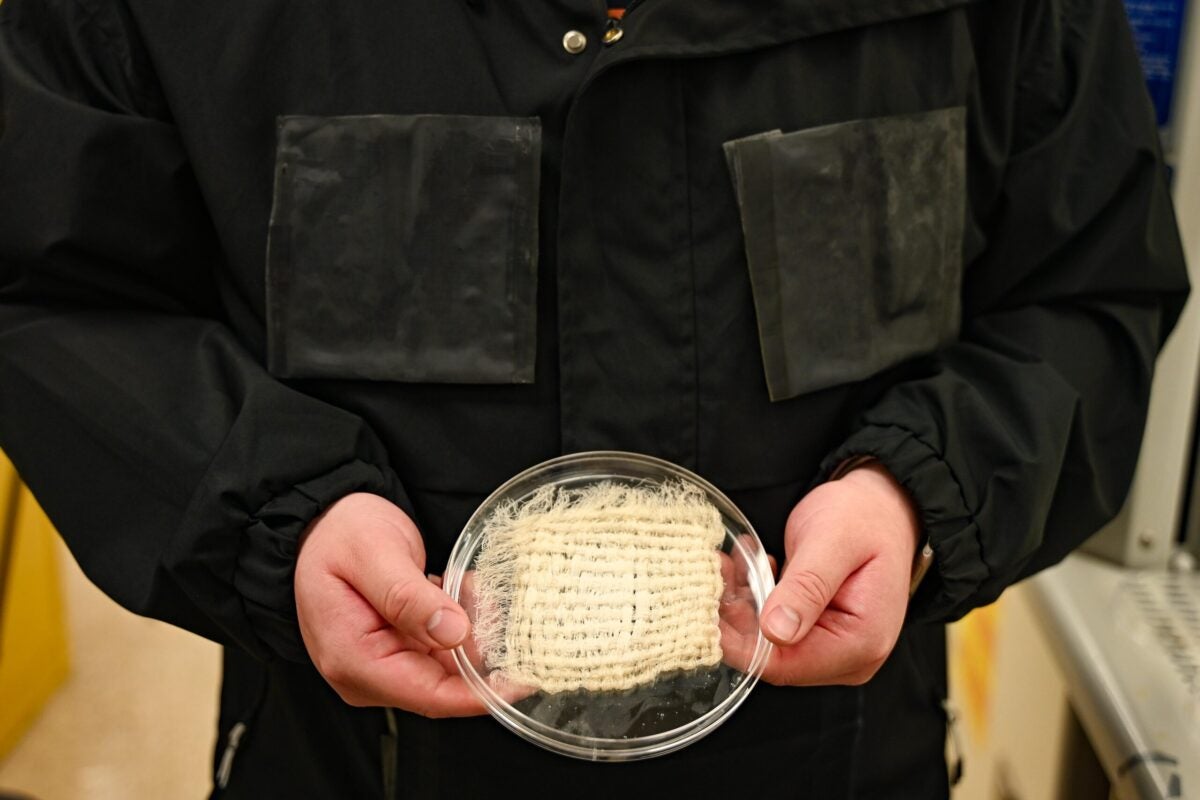
Water-Harvesting Jacket Explained: How Fabric Pulls Water From Air
UT Austin engineers showed a jacket textile that can collect moisture from air and turn it into drinkable water. Here is the beginner-friendly version.