
Category: Guides
-
GPT-5.6 Sol Terra Luna Explained: Which OpenAI Model Should You Use?
OpenAI is updating GPT-5.6 access in ChatGPT: Free and Go are moving to Luna, while Plus and Pro receive an updated Sol and a thinking-time slider. Here is BTI’s plain-English model map.
-
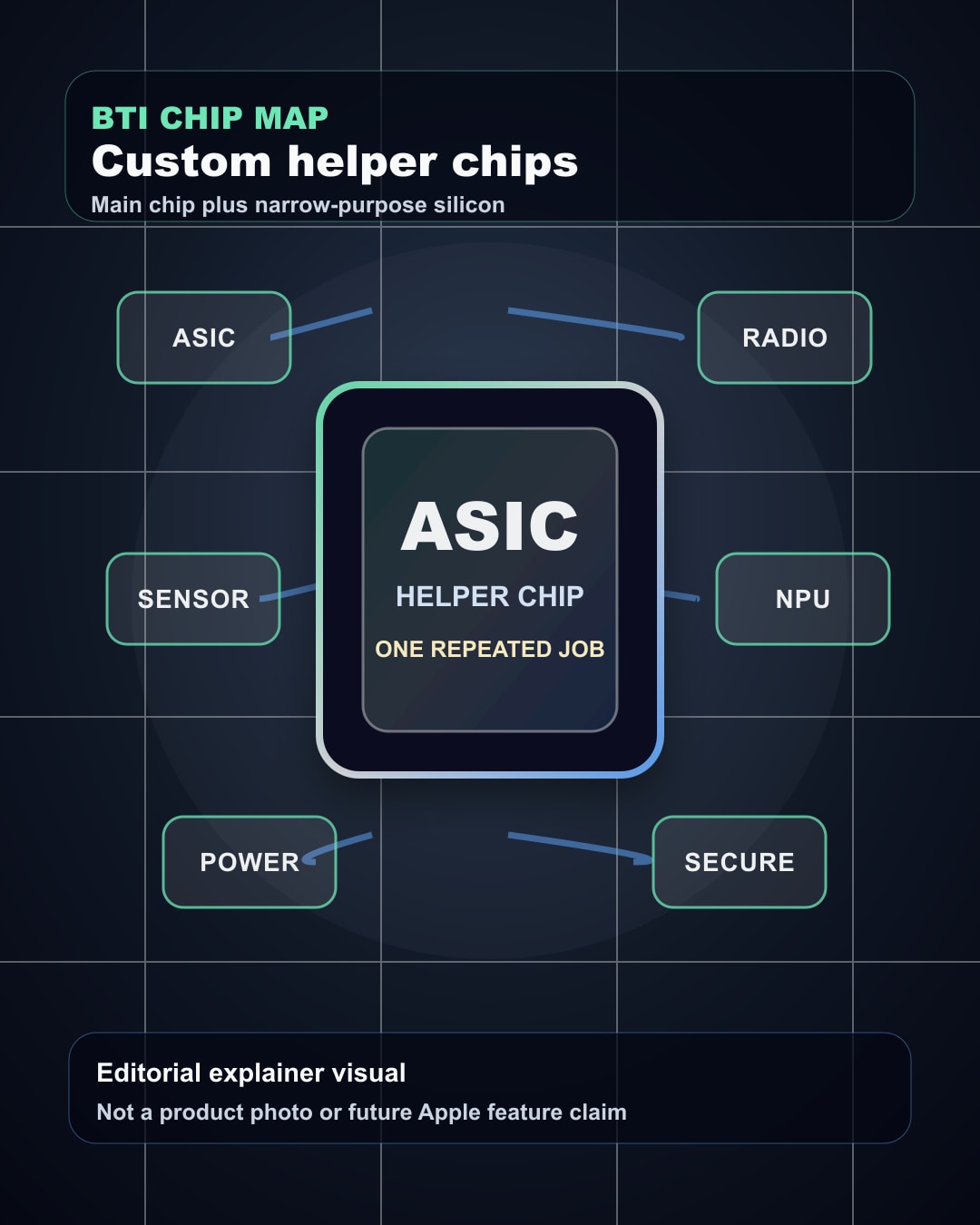
Apple Broadcom Custom ASIC Agreement Explained: Why Devices Need Helper Chips
Broadcom and Apple expanded their custom ASIC silicon collaboration through 2031. Here is the beginner-friendly version of what ASIC means and what not to assume.
-
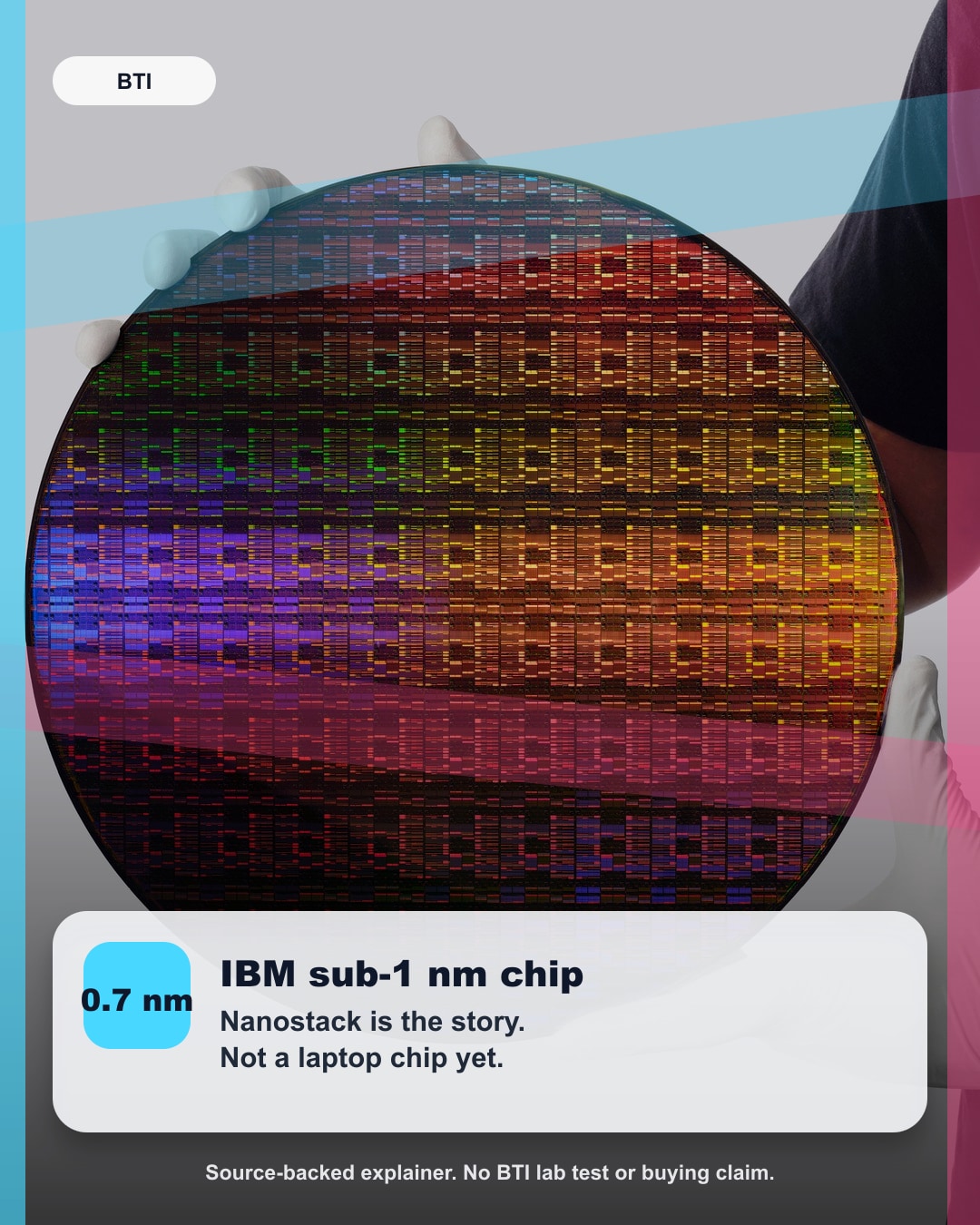
IBM Sub-1 Nanometer Chip Explained: What 0.7 nm Really Means
IBM announced sub-1 nanometer chip technology using a nanostack transistor architecture. Here is the beginner-friendly version without the hype.
-
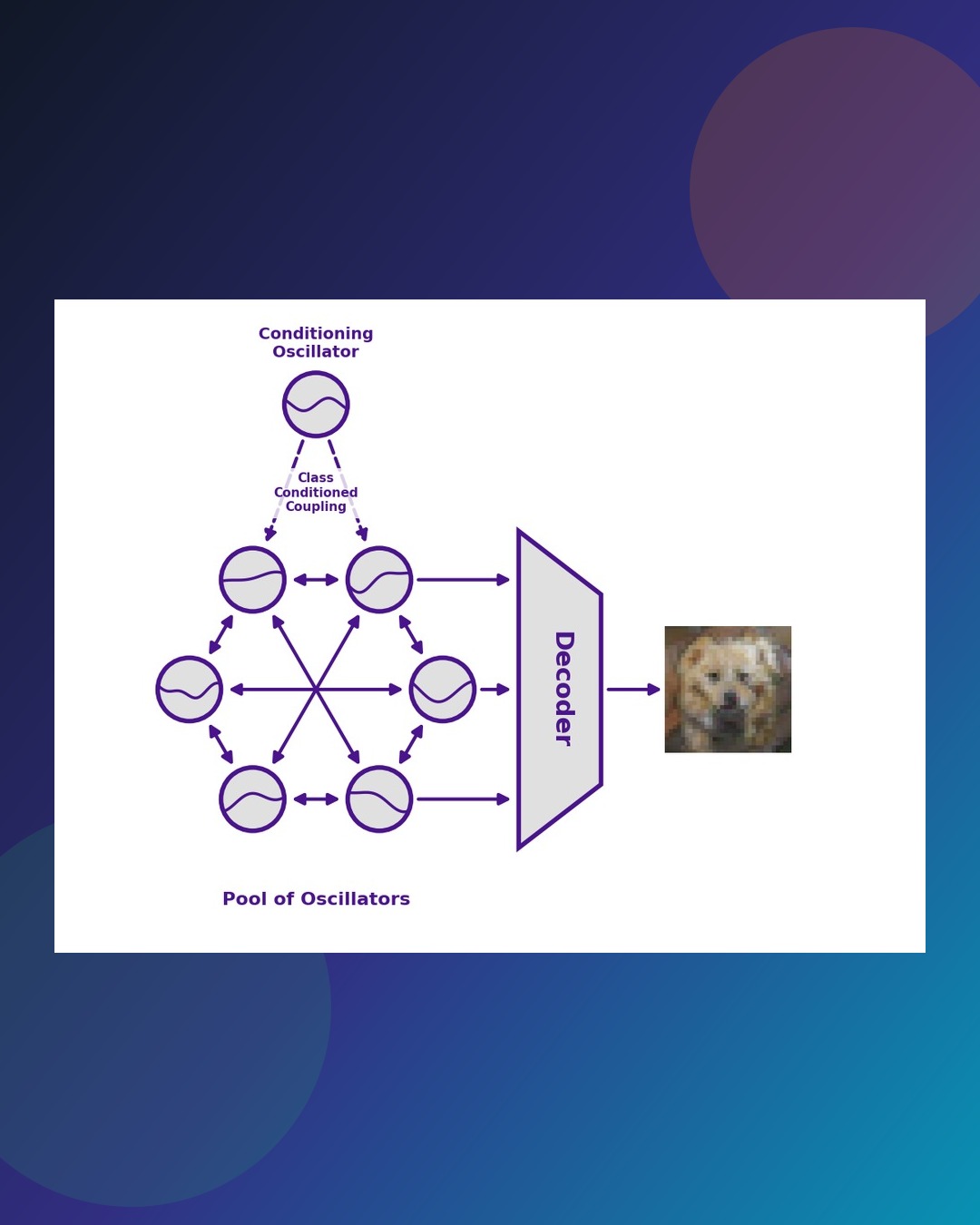
Unconventional AI Oscillator Computing Explained: Can AI’s Power Bill Drop?
Unconventional AI released Un-0, a software-simulated oscillator model. Here is the beginner-friendly version of the 1000x AI power goal without the hype.
-
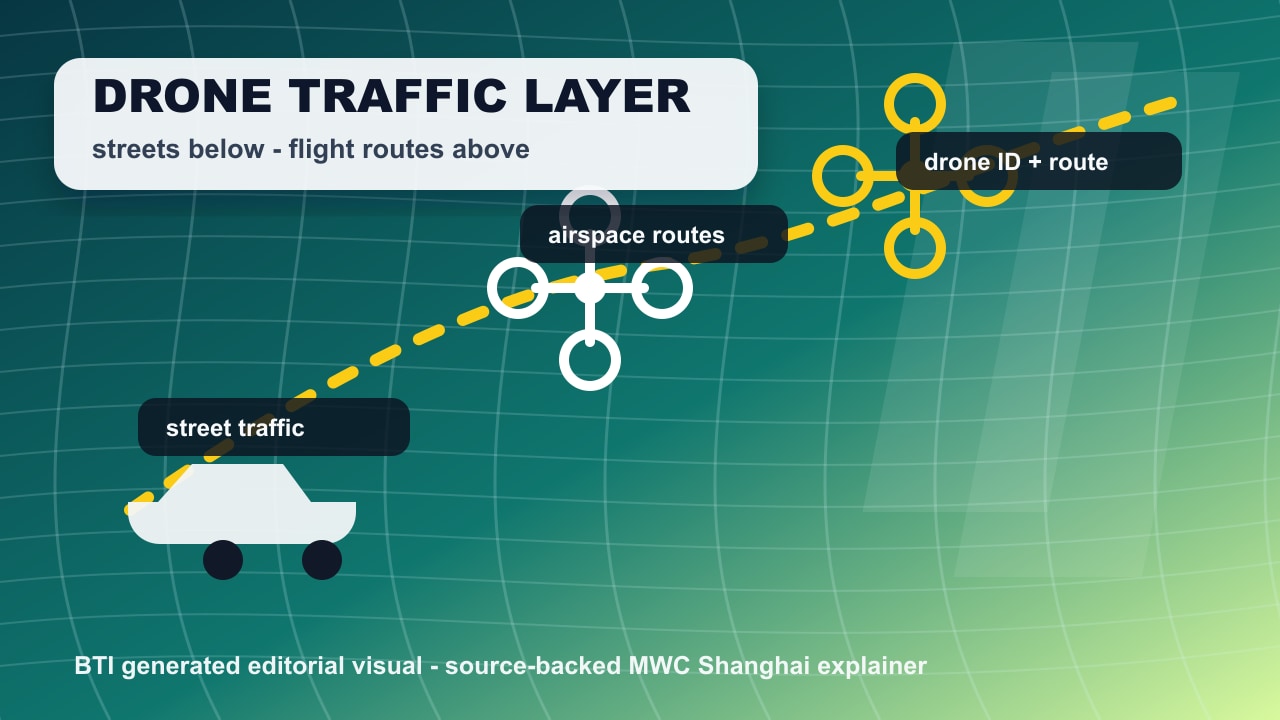
MWC Shanghai low-altitude economy explained: Why Drones Need Traffic Rules
MWC Shanghai is talking about drones, eVTOL, smart cars, AI, and connectivity. Here is the plain-English version of the low-altitude economy.
-

Qualcomm Dragonfly HBC explained: Why AI Has a Memory Wall
Qualcomm Dragonfly and High Bandwidth Compute turn a hard AI infrastructure idea into a simple question: can AI answers get memory closer to compute?
-

MWC Shanghai humanoid robot soccer explained: The AI Stress Test
Humanoid robots taking penalty kicks at MWC Shanghai are not just a novelty clip. Here is the plain-English version of what the demo tests.
-

SpaceX Starfall reentry capsule explained: Bringing Space Stuff Home
SpaceX launched Starfall, a small uncrewed return capsule. Here is the beginner-friendly version of why space factories need a way to bring things home.
-

DeepSeek and OpenAI Inference Chips Explained: Why AI Labs Want Their Own Chips
DeepSeek is reportedly developing an AI inference chip, while OpenAI and Broadcom introduced Jalapeno. Here is the beginner-friendly map of why AI labs want custom silicon.
-
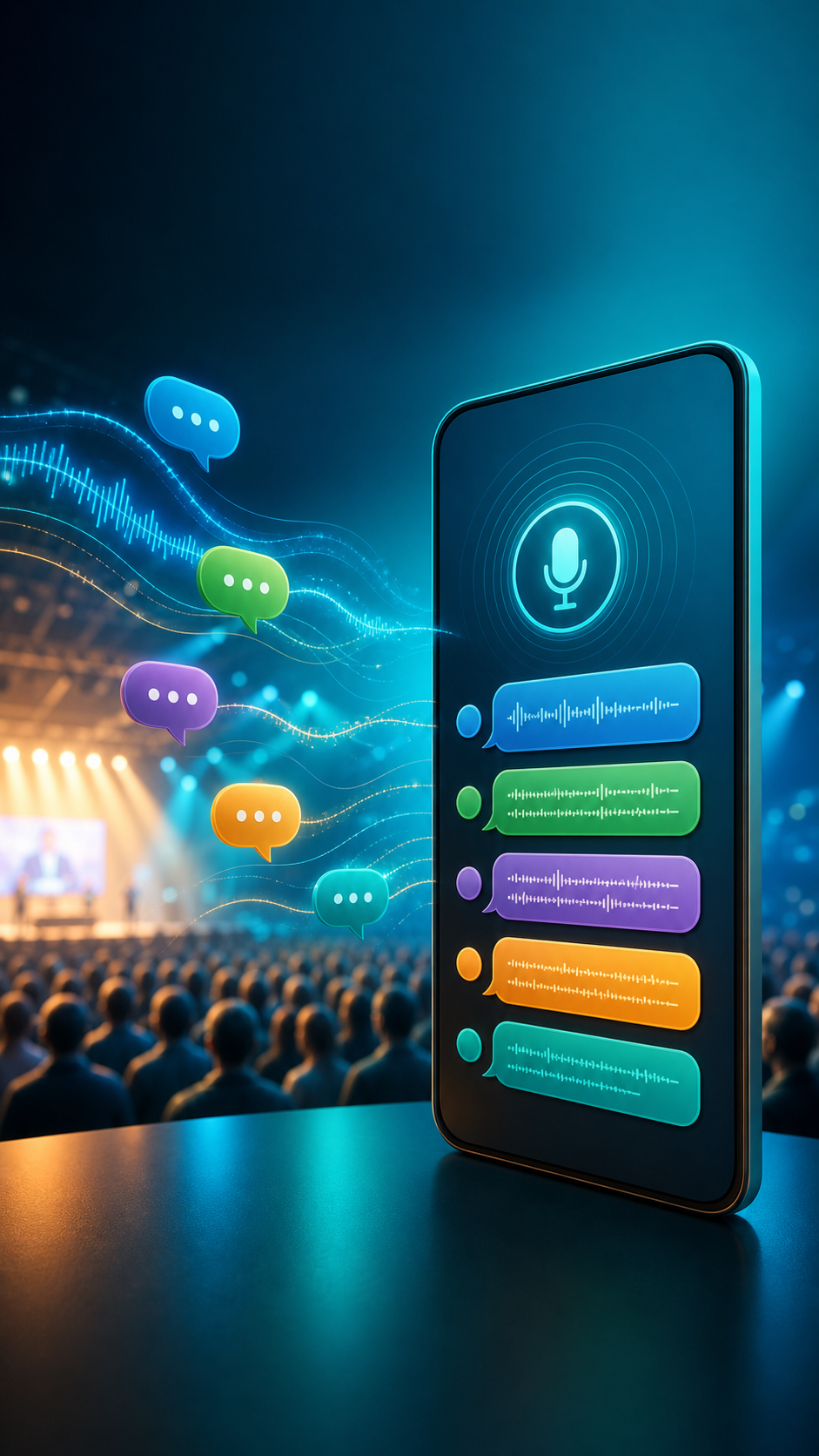
DeepL Mixhalo Voice AI Explained: Why Live Translation Needs Fast Audio
DeepL added Mixhalo’s team and ultra-low-latency live-event audio technology. Here is the plain-English reason that matters for real-time translation.